
Last updated November 3, 2026
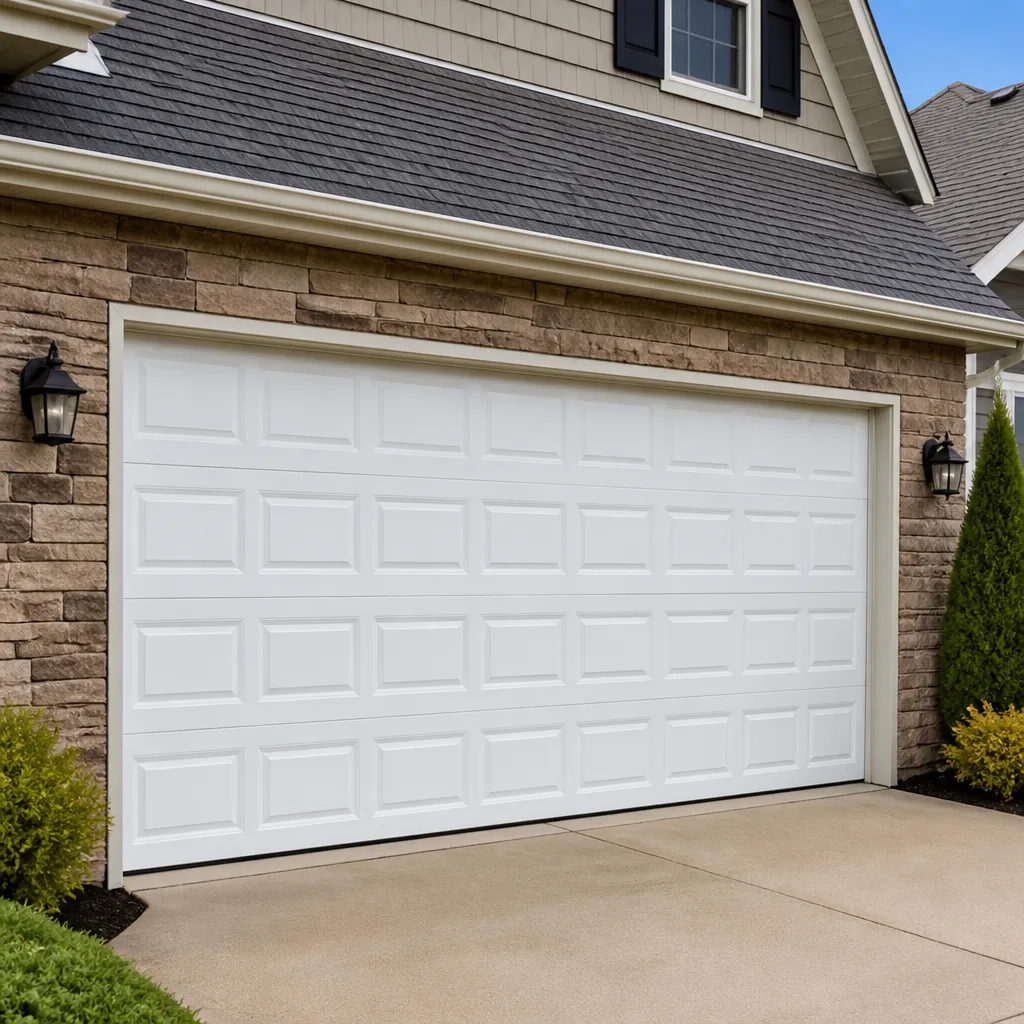 Raised-panel steel
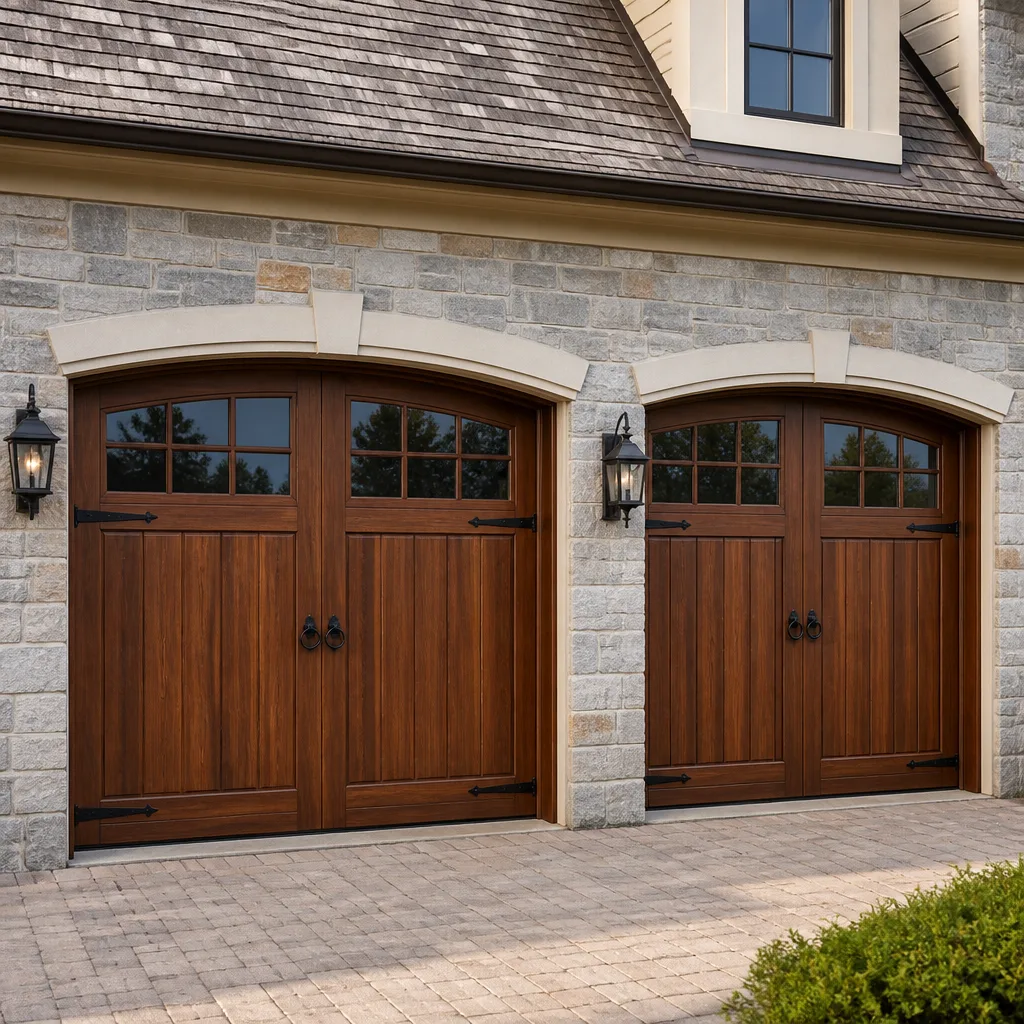 Carriage house
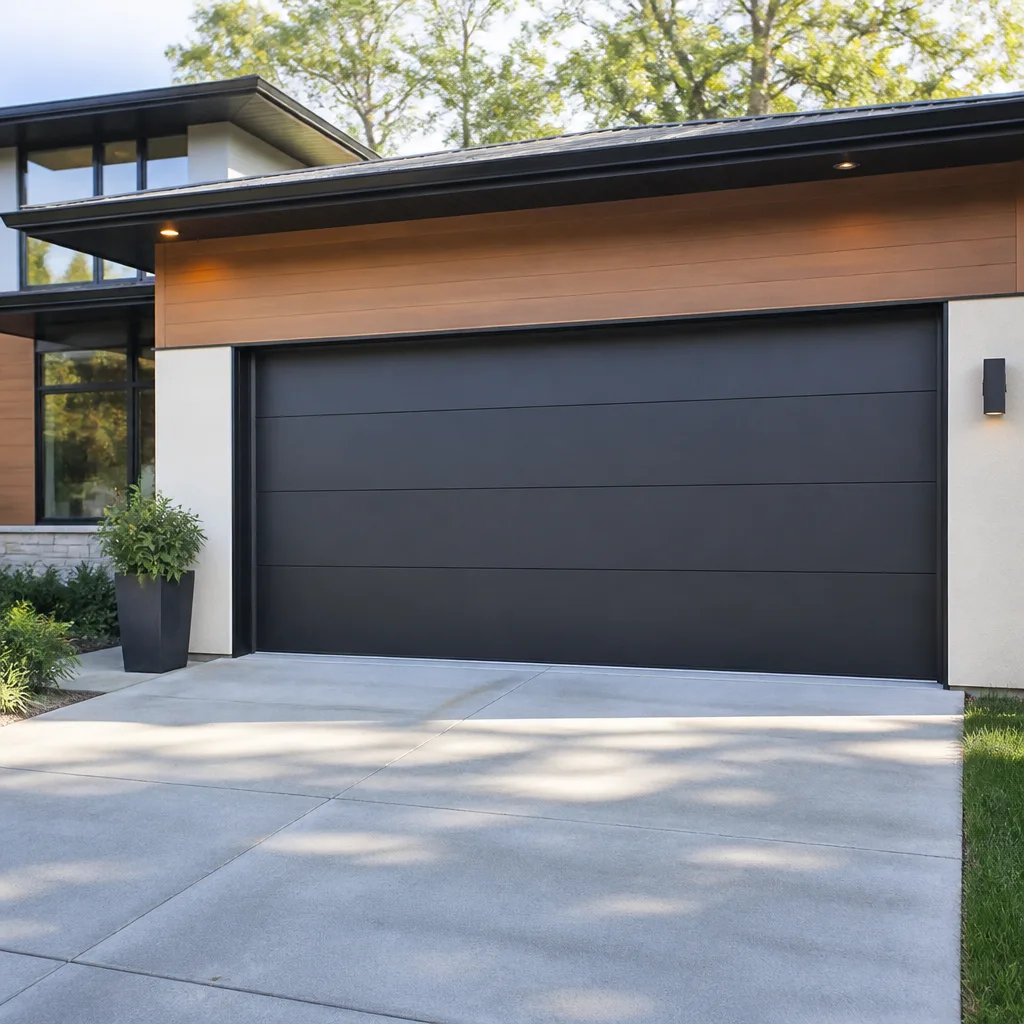 Modern flush
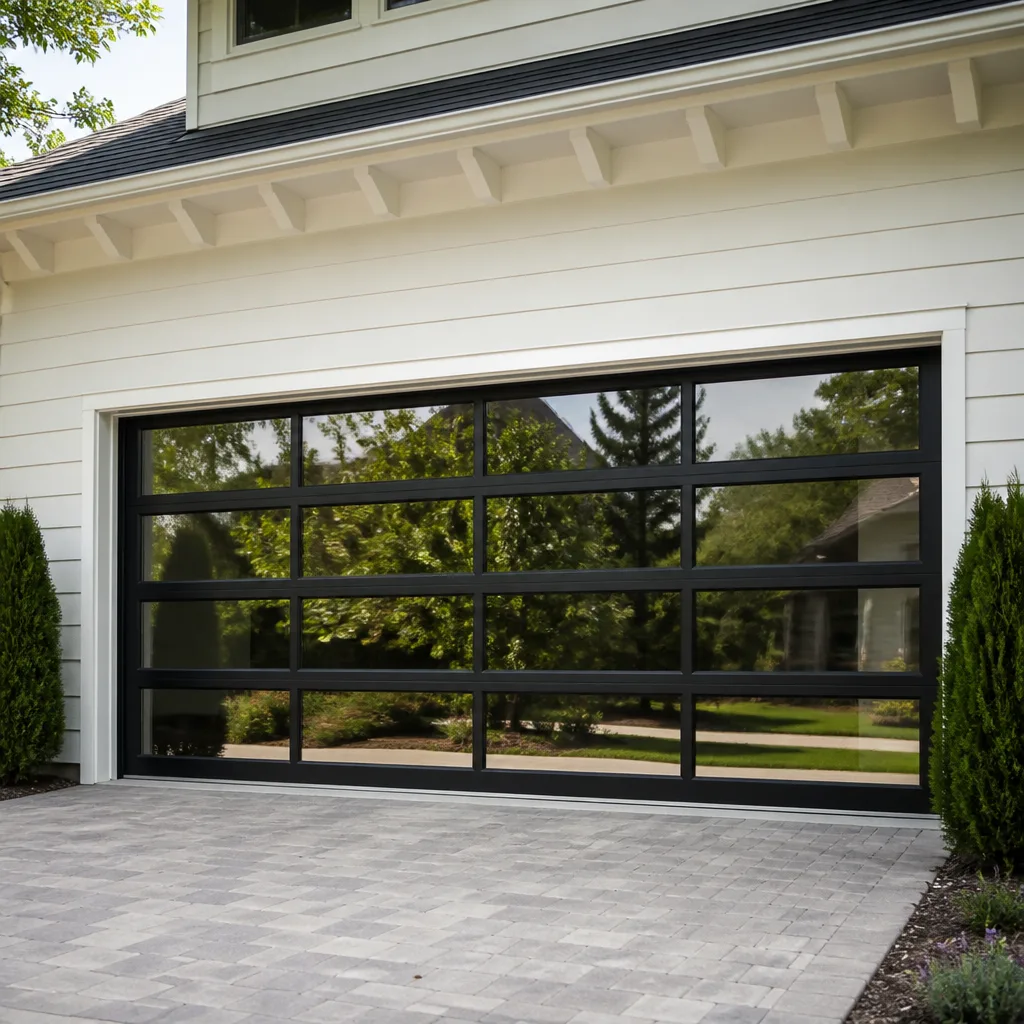 Full-view glass
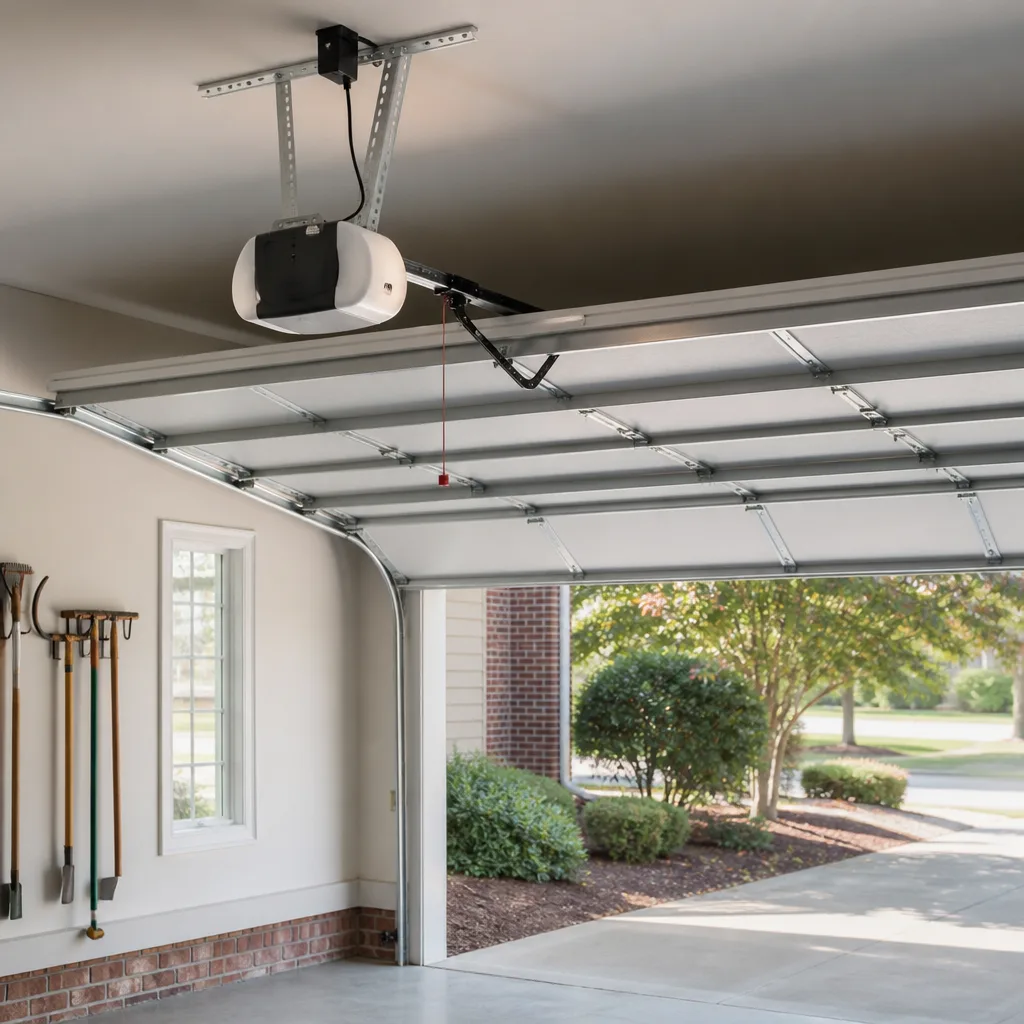 LiftMaster openers
 Chamberlain openers
Full 25-point door and opener safety check with every visit - springs, cables, rollers, tracks, and your LiftMaster or Chamberlain opener included
You get a price before we start. It does not change when the truck arrives.
Get your free estimateSeasonal Garage Door Care for Eastvale: Year-Round Homeowner’s Guide
Eastvale’s June-through-September heat does more cumulative damage to garage door springs and bottom seals than anything a mild Inland Empire winter can throw at the same hardware. Most seasonal garage door advice is written for places with snow, ice, and frozen hardware. That advice is nearly useless here. What actually matters in Eastvale is heat, wind, and the brief but intense rainy periods that catch drainage systems off guard. This guide maps maintenance tasks to the climate rhythm you actually live with, so you’re working on the right parts at the right time. For a broader overview, see The Complete Garage Door Repair Guide for Eastvale Homeowners. We’ll cover what to check when temperatures climb past 100°F, why Santa Ana winds demand a specific balance test, and what standing rainwater does to the bottom panel of your door over two or three winters.
Quick Answer
Seasonal garage door care in Eastvale means adjusting your maintenance schedule to three local conditions: extreme summer heat that weakens springs and dries out lubricants, Santa Ana wind gusts that exploit any imbalance in the door, and short winter rain bursts that test your bottom seal and threshold drainage. Check your door balance, lubricant condition, and bottom seal heading into each of these seasons. The work takes under an hour and prevents most mid-season failures we see across the city.
Styles & brands we work with
- Raised-panel steel
- Carriage house
- Modern flush
- Full-view glass
- LiftMaster openers
- Chamberlain openers
Table of Contents
- Summer Heat Season: What Actually Fails Above 100°F
- Santa Ana Wind Season: Balance and Gust Load
- The Brief Wet Season: Water and the Bottom Panel
- Spring Transition: Catching Thermal Expansion Damage
- Building an Eastvale-Specific Maintenance Calendar
- Lubrication Guide for Eastvale’s Climate
- Common Mistakes to Avoid
- When to Call a Professional
- Frequently Asked Questions
Summer Heat Season: What Actually Fails Above 100°F
Eastvale regularly sees summer days above 100°F, and the inside of a garage door that faces west or south can reach 140°F or higher by mid-afternoon. That heat does two things to your door system that most homeowners never think about. First, it accelerates the fatigue cycle on torsion springs. Springs are rated for a certain number of open-close cycles, but high ambient heat causes the steel to expand and contract more aggressively, which shortens the effective life of the spring. A spring that would last eight years in a coastal climate might only last five or six in Eastvale’s heat. Second, standard petroleum-based lubricants break down faster above 100°F. They thin out, drip off the rollers and hinges, and leave metal-on-metal contact that accelerates wear.
What to do before the heat peaks, usually by late May:
- Check your spring balance. Disconnect the opener using the emergency release cord (with the door closed), then lift the door manually to about waist height. A balanced door stays put. If it drops, the spring tension needs adjustment. This is a spring-under-tension task you should not attempt yourself. Call a professional who works with torsion systems regularly.
- Re-lubricate with a high-temperature formulation. White lithium grease is okay for normal climates, but in Eastvale heat we recommend a silicone-based or synthetic garage-door lubricant rated for high temperatures. Apply to rollers, hinges, springs, and the opener rail. Avoid lubricating the track itself; the rollers need traction against the track.
- Test your opener’s force limits. Most openers built since 1993 have force adjustment controls. In high heat, doors expand slightly and can bind more than usual. If the force limit is set too high, the opener won’t stop when it hits an obstruction. If it’s too low, the door may reverse or fail to close. Put a 2×4 flat on the ground under the door and close it. The door should reverse within a second or two of hitting the board. If it doesn’t, the force limit needs adjustment.
- Inspect the bottom seal for cracks. Eastvale summer heat bakes rubber seals until they become brittle. A cracked seal lets hot air, dust, and pests into the garage, and it sets you up for water problems when the rain arrives.
We regularly service homes throughout Eastvale where a summer spring failure could have been caught in May with a simple balance test. At Garage Door Repair in Eastvale, most seasonal calls in July and August are springs that failed under heat stress, not from old age alone.
Santa Ana Wind Season: Balance and Gust Load
Santa Ana winds typically arrive in Eastvale between September and February, with the strongest gusts often in October and November. These winds come out of the northeast, and for many Eastvale homes the garage door faces exactly that direction. A standard 16-foot-wide double door is essentially a 112-square-foot sail. In a 40 mph gust, that surface area takes a sudden, uneven lateral load. This is where a slightly out-of-balance door becomes dangerous.
Here’s what happens. A door that is even two or three pounds out of balance on one side sits slightly twisted in the track. During normal operation, the opener compensates and you don’t notice. But when a strong gust hits the door face, the wind pressure pushes against the already-twisted panel. If the door is open when the gust hits, the whole panel can jump a roller out of the track. If it’s closed, the wind can cause the door to bow inward, which stresses the hinges and the center stile. We have seen doors in Eastvale neighborhoods near the Santa Ana River corridor pop rollers out of the track during October gusts. It is not a rare occurrence.
Before wind season starts, usually by early September:
- Re-check the balance test from the summer section. The heat season may have changed your spring tension. A door that was balanced in May might not be balanced in September.
- Inspect all rollers. Nylon rollers with cracked wheels or worn bearings are a failure point under gust load. Replace any roller that wobbles or has visible play. Steel rollers from older doors should be checked for rust and flat spots. If your door has original rollers from a Wayne Dalton or Craftsman system installed more than ten years ago, they are likely due for replacement.
- Check hinge bolts and track brackets. Wind load vibrates the entire door system. Loose bolts allow the track to flex. Tighten every bolt you can reach on the horizontal and vertical tracks. Don’t overtighten on the door panel itself; just snug up anything that has play.
- Listen for squeaks. Squeaking during manual operation usually means the door is binding somewhere. Wind will exploit that bind. Address it before the gusts arrive.
A balanced door handles wind. An out-of-balance door gets damaged by wind. That’s the simple difference between a door that survives Santa Ana season and one that needs a service call. If you’ve never had your door balance checked and the gusts are already here, Garage Door Service Eastvale home offers free estimates for balance correction and roller replacement.
The Brief Wet Season: Water and the Bottom Panel
Eastvale’s rain comes in short, intense bursts, usually between December and March. A single afternoon storm can drop several inches of water. The flat terrain and clay-heavy soil in parts of Eastvale mean water doesn’t always drain away from the garage door threshold quickly. When water pools against the door, it has hours to seep under the bottom seal and sit against the bottom panel steel.
Here’s what that water does over time. The bottom panel of most residential doors is steel with a painted finish. When water sits against the steel for extended periods, especially at the seam where the bottom seal retainer is attached, rust starts in the screw holes and along the edges. You may not see it at first because the rust forms on the inside of the panel. By the time you see bubbles in the paint or rust streaks on the outside, the panel has been compromised for a season or two. This is the most common cause of premature bottom-panel replacement we see in Eastvale. It’s not a dramatic failure; it’s a slow one.
What to do before the first real rain, usually by late November:
- Check the threshold seal. The threshold seal is the rubber strip attached to the concrete under the door. If it’s cracked, torn, or pulling away from the concrete, water has a direct path into the garage. Replacement thresholds are inexpensive and easy to install with concrete anchors.
- Inspect the bottom door seal. Close the door and look at the bottom seal from inside the garage. There should be no visible daylight gaps. Run a garden hose along the closed door for 60 seconds and check for water intrusion. If water comes in, the seal needs replacement.
- Clear the drainage path. If your garage apron has a drain or channel in front of the door, clear it of leaves, dirt, and gravel before the rain starts. A clogged drain forces water to pool against the door.
- Check for standing-water marks on the interior wall. Look at the baseboard and drywall near the door threshold. White chalky marks or peeling paint from previous seasons tell you water has been getting in. Address the seal before the next storm.
If you find rust on the bottom panel during this inspection, don’t ignore it. The panel is structural. Once rust compromises the seam where the panel meets the hinge stile, the door can fold or buckle under load. A new bottom panel is often more cost-effective than a full door replacement, but only if the rest of the door is in good condition. If you have an older Amarr or Raynor door with a rusted bottom panel, we can tell you whether panel replacement or full Garage Door Installation in Eastvale makes more financial sense.
Spring Transition: Catching Thermal Expansion Damage
By March, your garage door has been through three or four months of heat, then Santa Ana gusts, then rain. The transition from the wet season back into the warming spring is when thermal expansion damage shows up. Here’s why. The steel in your door panels and tracks expanded during summer heat, contracted during cooler winter nights, and expanded again when the sun came back. That cycling creates hairline stress fractures in the panel steel and loosens fasteners in the track system. The damage is rarely visible unless you know what to look for.
The post-rain-season inspection should include:
- Examine the panel seams. Run your hand along the horizontal seams between panels. You’re feeling for cracks radiating out from the hinge attachment points. These cracks start small, typically less than an inch long, but they spread with each thermal cycle. Once a crack reaches the edge of the panel, the panel needs replacement.
- Check the vertical tracks for warping. Heat expansion can bow a vertical track slightly. A warped track causes the rollers to bind at a specific point during travel. Open and close the door and watch each roller as it passes through the curved section of track. Any hesitation or jump is a sign of track deformation.
- Re-test the balance. The wet season changed the weight of the door slightly if the bottom seal is holding water or if the panel absorbed moisture at the seams. Re-check the manual balance test from the summer section.
- Inspect the opener carriage and rail. Temperature swings can loosen the bolts that hold the opener rail to the ceiling. A loose rail causes shuddering during operation and premature wear on the carriage bearings.
This inspection takes about 20 minutes. It catches most mid-year failures before they happen. In our experience across Eastvale, March is the month when homeowners discover issues that have been developing since the previous August. A door that passes this inspection is set up well for the coming heat season.
Building an Eastvale-Specific Maintenance Calendar
Most garage door maintenance guides tell you to lubricate in spring and fall. That’s useful advice if you live somewhere with a predictable four-season cycle. Eastvale doesn’t work that way. Here’s a calendar built around the actual conditions you face. Mark these on your phone or print this section and tape it near the garage door opener. Each task takes under 30 minutes unless noted.
- Late May (pre-heat): Balance test, high-temperature lubrication, opener force-limit test, bottom seal inspection. This is the most important maintenance window of the year in Eastvale.
- August (peak heat): Visual inspection of springs for separation or gaps between coils. Re-lubricate if the door sounds dry. Check that the opener’s auto-reverse is still functioning.
- Early September (pre-Santa Ana): Balance re-check, roller inspection, hinge and track bolt tightening. Test the door manually to feel for binding.
- Late November (pre-rain): Threshold seal inspection, bottom seal water test, drainage clearing, interior water mark check. This is your only water-focused maintenance window in a typical Eastvale year.
- January (mid-rain, as needed): After any storm that drops more than an inch, check for water intrusion at the threshold. Address immediately if found.
- March (post-rain, pre-heat transition): Full thermal expansion inspection. Panel seam check, track warping check, balance re-test, opener rail inspection.
That’s six checkpoints across the year. None require special tools beyond a socket set and a good lubricant. Together they address the three seasonal threats Eastvale actually experiences. Skip any of them and you’re rolling the dice on a mid-season breakdown that could have been predicted. The Garage Door Opener Repair in Eastvale calls we get in July and October are almost always preceded by a skipped maintenance checkpoint.
Lubrication Guide for Eastvale’s Climate
Lubricant selection matters more in Eastvale than in coastal communities, and most homeowners use the wrong product. Standard white lithium grease is a solid choice in moderate climates, but it breaks down quickly on door components that sit in a 130-degree garage all afternoon. When the grease thins, it drips onto the tracks, collects dust and grit, and creates a paste that actually increases roller friction. This is one of the most common problems we see on doors in Eastvale that haven’t been professionally serviced.
What to use and where:
- Rollers, hinges, springs: A synthetic silicone-based garage door lubricant rated for high temperatures. Spray formulas are easy to apply. Look for products that specifically list garage door use on the label; general-purpose sprays either attract dust or wash away.
- Opener rail (screw drive): A thin coat of white lithium grease is fine for a screw-drive rail, even in Eastvale heat, because the rail is usually in the shaded upper portion of the garage. Reapply once a year in late May.
- Opener rail (belt or chain drive): Do not lubricate the belt or chain itself. Lubricate only the rail surface if the manufacturer specifies it. Most belt-drive openers from LiftMaster, Chamberlain, and Genie are designed to run dry. Adding lubricant to a belt drive shortens the belt life and voids the warranty on some models.
- Weather seals: Use a rubber-safe silicone spray on the bottom seal and threshold seal twice a year. This keeps the rubber flexible through the heat season and prevents the cracking that leads to wet-season leaks.
Never use WD-40 on any part of a garage door system. It’s a solvent, not a lubricant. It strips away the protective coating on springs and leaves them more vulnerable to rust. It also attracts dust, which accelerates wear on moving parts. If your door is already squeaking, lubricant is not the fix; the squeak means something is binding or a bearing is worn. Lubricant will mask the symptom for a few weeks, then the underlying problem returns.
Common Mistakes to Avoid
- Skipping the summer balance check because the door “works fine.” A door can be significantly out of balance and still open and close. The opener is doing the work that the spring should be doing, which shortens opener life. In Eastvale’s heat, this is a common cause of mid-summer opener failures.
- Using the wrong lubricant. As covered above, petroleum-based greases break down above 100°F. The wrong product leaves your door dryer than before you lubricated it.
- Ignoring a squeaky door because it’s “just a squeak.” Squeaks are mechanical signals. In wind season, a squeaking door is telling you something is binding and gusts will make it worse.
- Replacing the bottom seal without checking the threshold seal. Water comes in through both paths. Replacing only one leaves a leak.
- Waiting until the first rain to check for leaks. By the time water is visible inside the garage, the bottom panel has been sitting against moisture for hours. Check before the rain, not during it.
- Adjusting torsion springs as a DIY project. Torsion springs are under hundreds of pounds of tension. The tools required are specific and the injury risk is severe. This is one area where a trained professional is the only safe option.
- Assuming a new door means no maintenance. Even a brand-new Clopay or Raynor door needs seasonal lubrication and balance checks. New doesn’t mean maintenance-free.
When to Call a Professional
Some maintenance tasks are safe and simple for a homeowner: lubricating rollers, checking seals, clearing drainage, tightening visible bolts. Other tasks are not safe, specifically anything involving torsion springs or opener force-limit adjustments. If your door fails the balance test, if you see visible gaps between spring coils, if you hear a grinding noise from the opener, or if your door starts binding at a specific point in its travel, stop and call someone who does this work every day. The cost of a service call is a fraction of the cost of a damaged panel or an injured hand. Garage Door Service Eastvale offers free estimates in Eastvale, and our technicians work on the brand you already have, from older Craftsman and Wayne Dalton systems to current LiftMaster and Chamberlain smart openers. Call (833) 593-6405 for a free estimate.
Frequently Asked Questions
Twice a year in Eastvale: once in late May before the heat peaks and once in early September before Santa Ana winds arrive. Use a synthetic silicone-based lubricant rated for high temperatures. If your garage faces south or west, you may need a third application in July.
Yes. High ambient heat causes the steel in torsion springs to expand and contract more aggressively, which accelerates material fatigue. A spring rated for 10,000 cycles may fail earlier in Eastvale than in a coastal climate. This is why the pre-heat balance check is the most important maintenance task on the calendar.
Do not force the door. Disconnect the opener using the emergency release and test the door manually. If it binds or jumps during travel, a roller has likely come out of the track or the track has shifted. This requires professional adjustment. Forcing the door will bend panels and can pull the track off the wall.
Yes, on most doors. Bottom seals slide into a retainer channel on the bottom panel. The old seal pulls out and the new one slides in. No special tools are required. The threshold seal on the concrete is also DIY-friendly with concrete anchors. The bottom panel itself should not be worked on if rust is present; that’s a structural repair.
Place a 2×4 flat on the ground under the door and close it. The door should reverse within one to two seconds of contacting the board. If it continues down, the force limit is set too high. If the door reverses without touching the board, the limit is set too low. Adjust the force setting dials on the opener unit and re-test. If the problem persists, the opener’s internal sensors may need professional service.
During summer, it’s broken torsion springs from heat fatigue. During Santa Ana season, it’s rollers jumped out of the track from wind load on an out-of-balance door. During winter, it’s bottom panel rust from standing water at the threshold. All three are preventable with the seasonal checks described in this guide. Call (833) 593-6405 for a free estimate if you’re unsure where to start.
The Bottom Line
Eastvale’s climate punishes garage doors in specific, predictable ways. Heat kills springs and lubricants. Wind exploits imbalance. Water attacks the bottom panel. The maintenance calendar in this guide addresses each threat in the season when it matters most, and the total time investment across the year is under three hours. If you take away one thing from this guide, it’s this: the late-May pre-heat check is the highest-value maintenance task you can do in Eastvale. Do that one, and your door is set up to survive the other seasons with far fewer problems. If you’d rather have a professional handle it, Garage Door Service Eastvale is one call away and we work on the brand you already have. Not sure which brand to choose? Read Choosing the Right Garage Door Brand: A Buyer’s Guide for Eastvale.
Written by the team at Garage Door Service Eastvale, serving Eastvale since 2012. Explore more guides & resources from our team.
See the difference
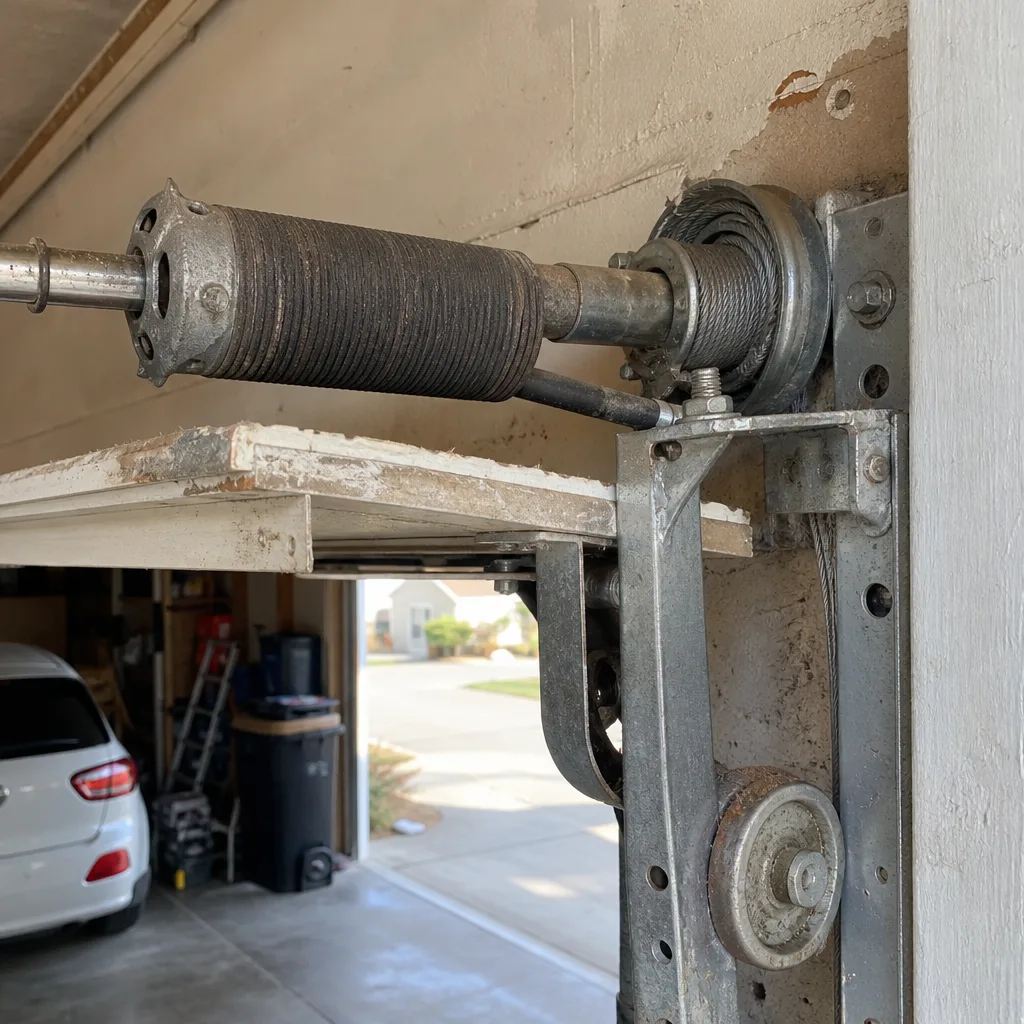 Before
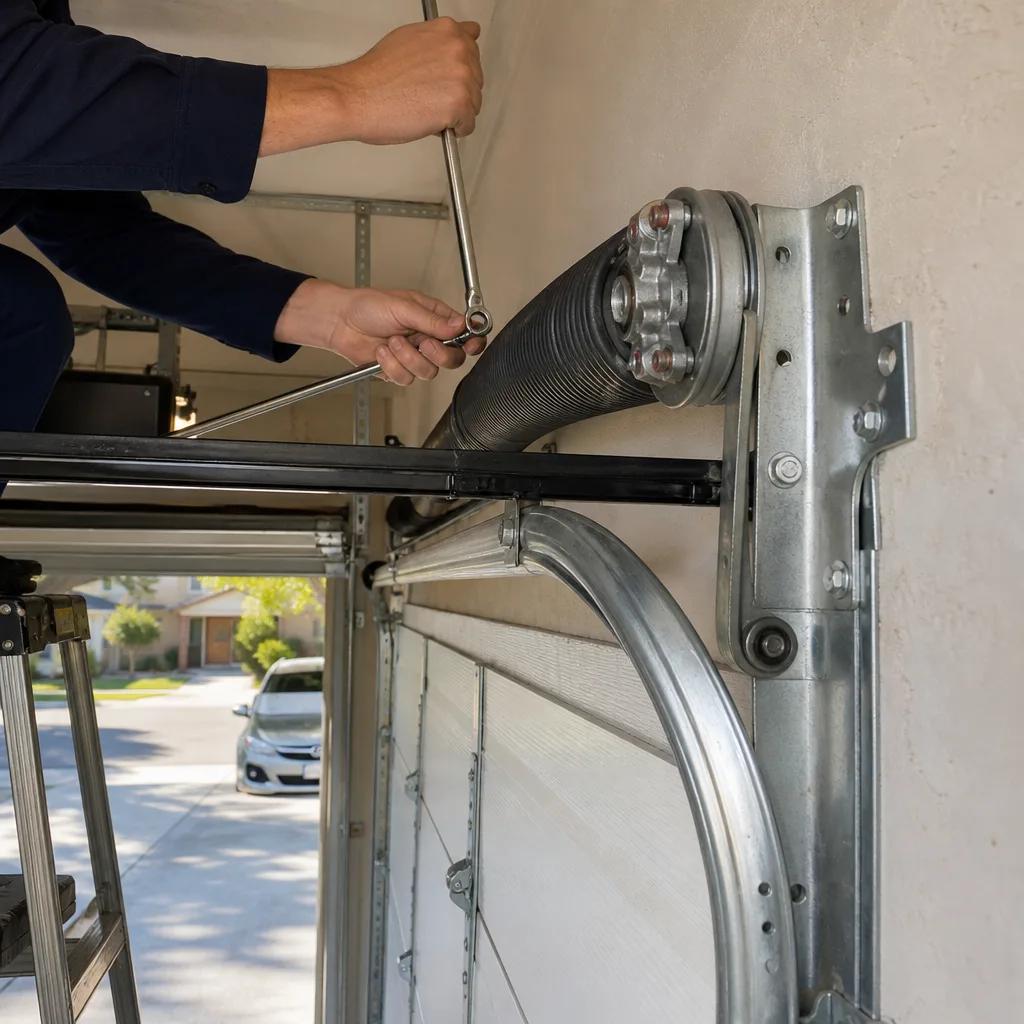 After
 Before
 After
 Before
 After