
Last updated November 3, 2026
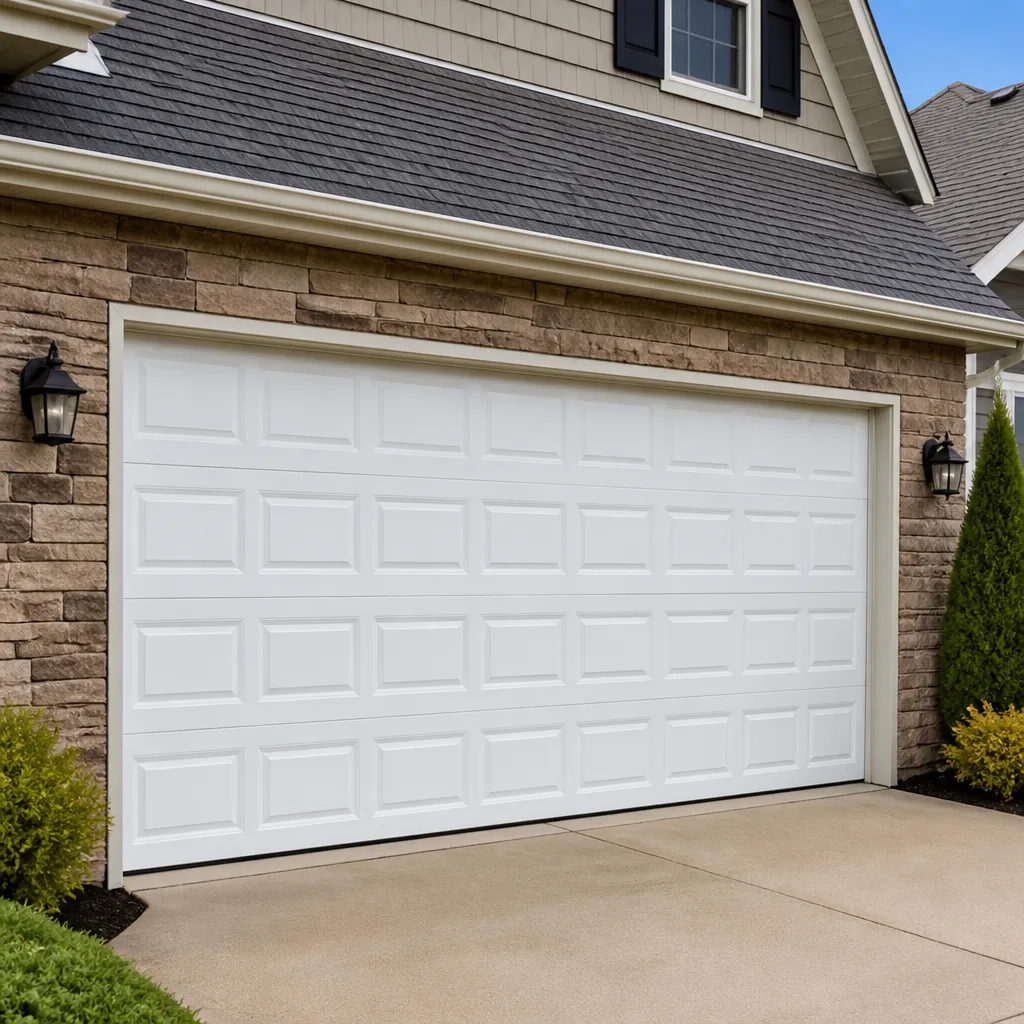 Raised-panel steel
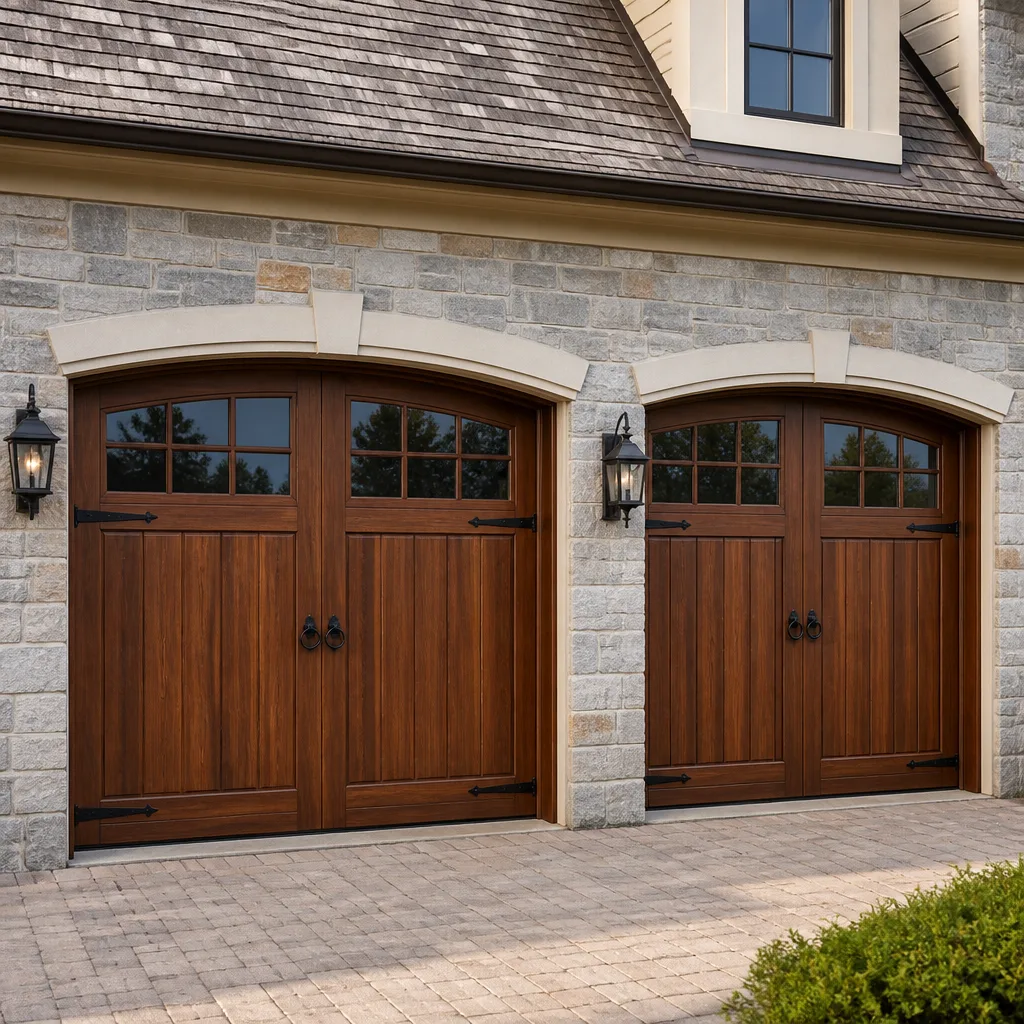 Carriage house
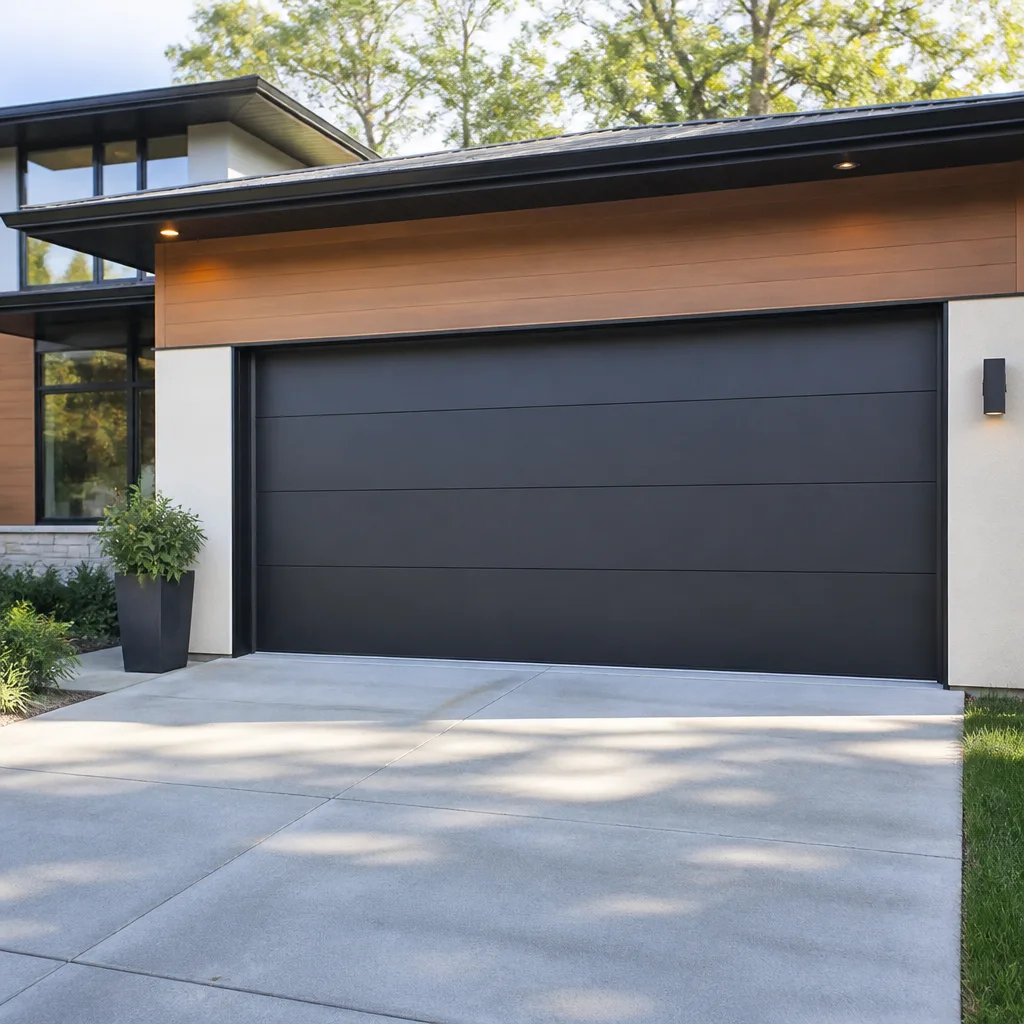 Modern flush
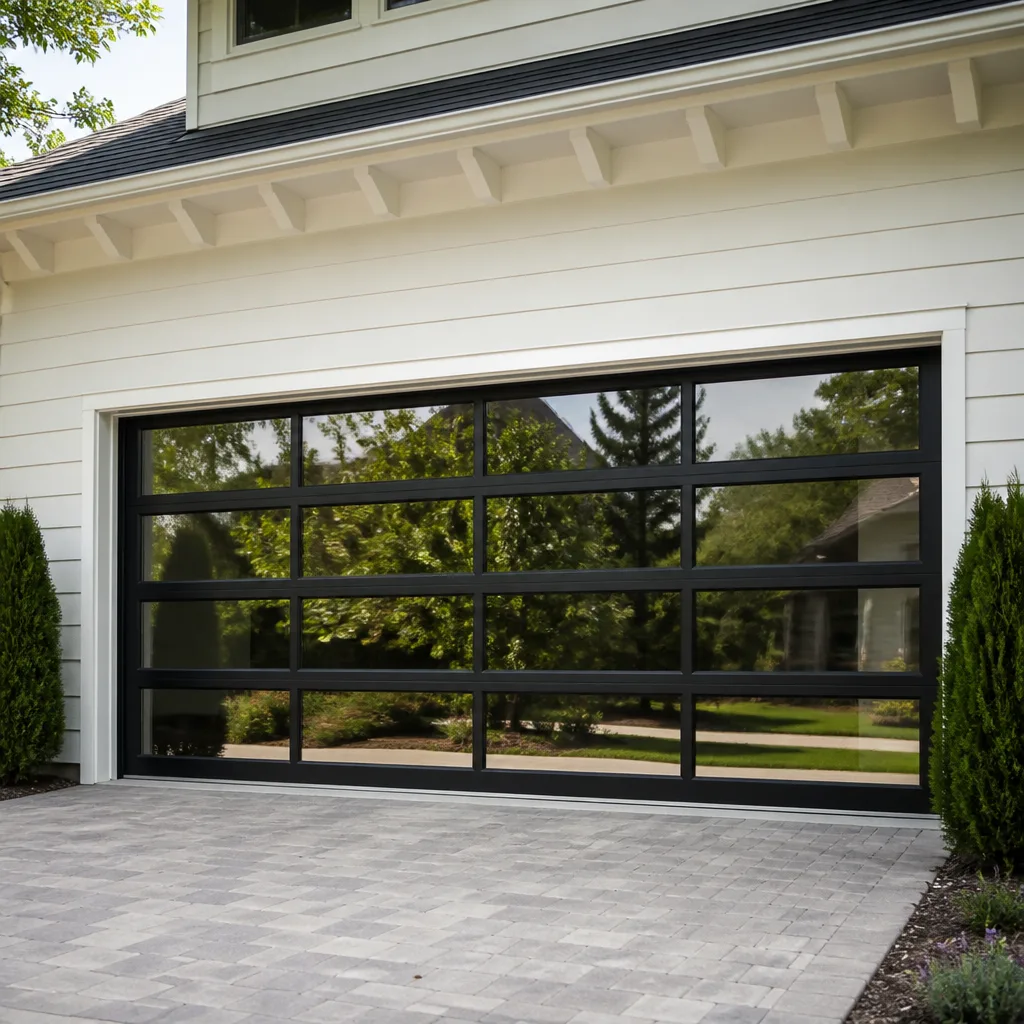 Full-view glass
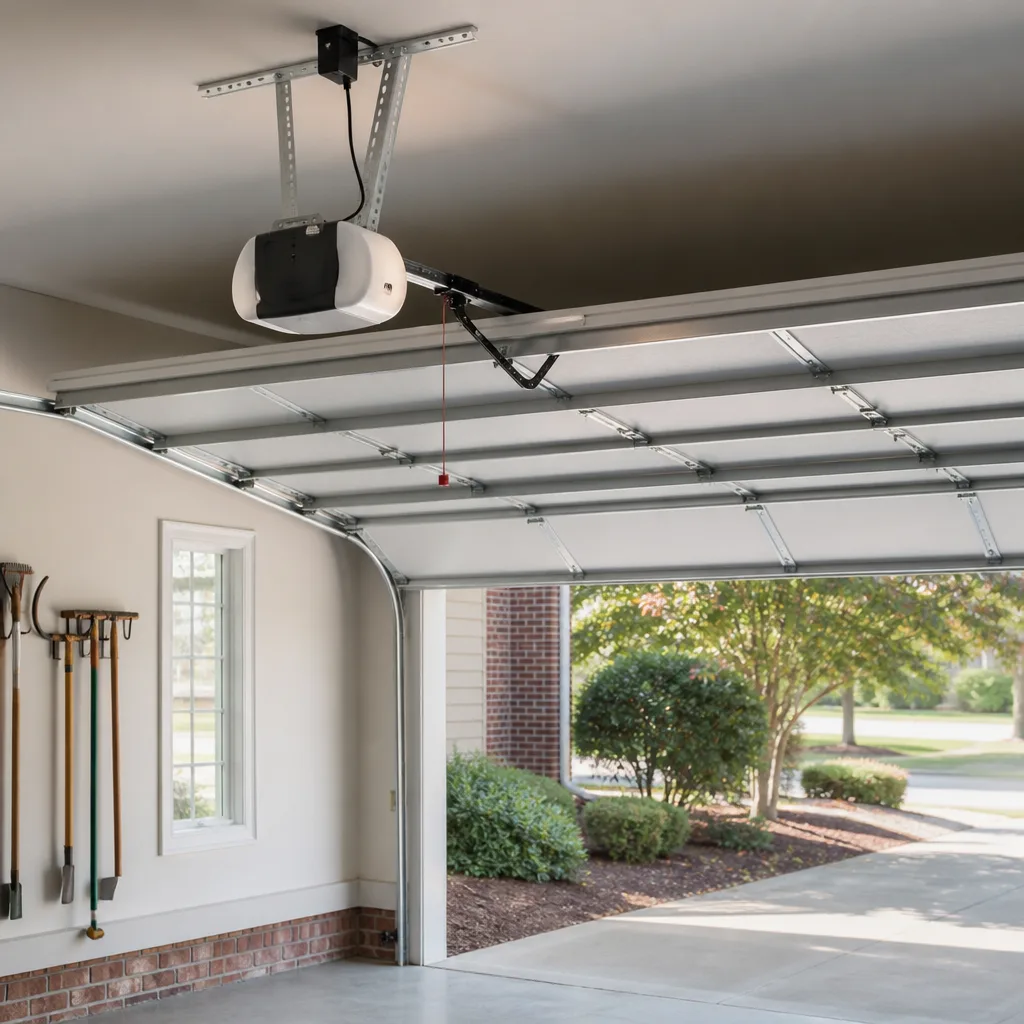 LiftMaster openers
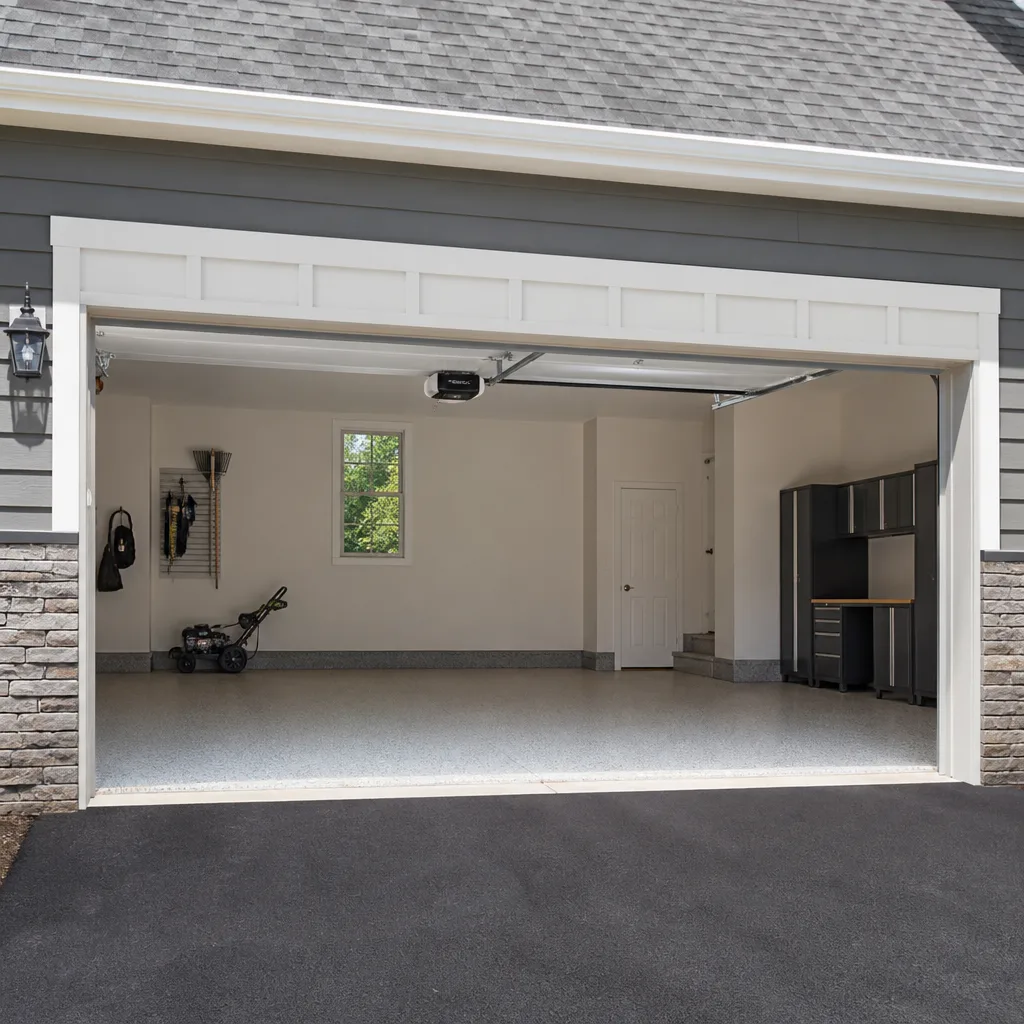 Chamberlain openers
Full 25-point door and opener safety check with every visit - springs, cables, rollers, tracks, and your LiftMaster or Chamberlain opener included
You get a price before we start. It does not change when the truck arrives.
Get your free estimateThe Complete Garage Door Repair Guide for Eastvale Homeowners
Eastvale didn’t become a city until 2010, and the building boom that followed means most of the garages in this master-planned community are now hitting the 10 to 15 year mark. That specific window is when torsion springs lose tension, opener gears strip, and cables begin to fray, often within months of each other. This guide is written for Eastvale homeowners who want to understand what’s failing, why it’s failing now, and which repairs actually make sense given the local climate and tract-home construction methods used throughout the city. For more context, see The Complete Guide to Garage Door in Eastvale. You’ll learn how to spot developing problems before a door refuses to open, what repairs are safe to handle yourself, and when a replacement beats a third repair.
Quick Answer
Garage door repair in Eastvale CA usually comes down to one of four problems: broken torsion springs, worn opener gears, misaligned tracks, or damaged panels. Spring replacement is the most common repair we handle in Eastvale, and it’s also the one that should never be done without a trained technician because the stored tension can cause serious injury. If your door won’t open evenly, makes a grinding noise, or slams shut when lowering, turn to the section below that matches your symptom and you’ll know exactly what you’re dealing with before you call anyone.
Styles & brands we work with
- Raised-panel steel
- Carriage house
- Modern flush
- Full-view glass
- LiftMaster openers
- Chamberlain openers
Table of Contents
- Why Eastvale’s Climate Is Harder on Garage Doors Than the Coast
- The 10-15 Year Failure Window in Eastvale’s Tract Homes
- The Five Most Common Garage Door Problems in Eastvale
- What’s Safe to Fix Yourself (and What Isn’t)
- Repair or Replace: A Decision Framework for Eastvale Doors
- Working With the Garage Door Brands Common in Eastvale
- HOA Compliance for Garage Door Work in Eastvale
- A Simple Maintenance Routine That Prevents Most Repairs
Why Eastvale’s Climate Is Harder on Garage Doors Than the Coast
Coastal California garage doors enjoy a mild, stable environment. Eastvale, by contrast, sits in the Inland Empire where summer temperatures routinely push past 100 degrees and winter nights can dip near freezing. That daily and seasonal temperature swing does measurable things to the metal components inside a garage door system.
Torsion springs are the component most affected. These springs are made of heat-treated steel wire wound under enormous tension. Every degree of temperature change causes the metal to expand and contract at a slightly different rate than the shaft, brackets, and door panels attached to it. Over a decade of Eastvale summers, the repeated thermal cycling accelerates a process called metal fatigue. Spring failure in inland areas typically occurs 20 to 30 percent earlier in the component’s lifespan than identical springs installed in coastal homes, according to the patterns we see across Eastvale service calls.
Weatherstripping along the bottom of the door also degrades faster here. The combination of high UV exposure and dry heat causes rubber and vinyl seals to stiffen and crack. When the seal fails, dust, desert debris, and even small pests enter the garage, and the conditioned air inside escapes. Homeowners in the Eastvale neighborhoods of Sendero and The Preserve mention drafts and dust buildup as a secondary reason they call for service.
Lubrication evaporates faster in this climate as well. The oil in door rollers, hinges, and opener chains thins out and dries during consecutive hot months. A door that sounds loud and rough in August often just needs proper lubrication with a heat-stable garage door lubricant, not a new opener. But if the noise has continued for months, the rollers may already have flat spots from running dry, which means replacement is the actual fix.
The 10-15 Year Failure Window in Eastvale’s Tract Homes
Most of Eastvale’s residential construction happened in two waves: the 2008 to 2015 builder surge that created neighborhoods like Leal, Riverbend, and Clear Creek, and a slower second wave that continued through the late 2010s. The first wave is now squarely inside the failure window for garage door hardware.
Builders install what the industry calls “builder-grade” doors. These are functional, code-compliant units, but they are spec’d to a price point, not to longevity. The torsion springs installed on these doors are typically rated for around 10,000 cycles. A cycle is one full open and close. For a family that uses the garage door four times a day, that rating translates to roughly seven years before spring replacement becomes likely. Many Eastvale homes have now passed that point, and when the original spring breaks, the door becomes dangerously heavy because it’s no longer counterbalanced.
Openers from this era have similar time limits. Drive gears inside older screw-drive and chain-drive models wear down, producing a grinding sound that homeowners sometimes mistake for a door problem. Garages attached to Eastvale homes are almost universally concrete-slab construction, which means opener vibration transmits directly into the slab and up through the walls. Loose opener mounts and worn gear housings become loud enough to hear throughout the house, even when the door itself is fine.
Concrete-slab garages have one more quirk: the tracks and mounting brackets are anchored into concrete instead of framing. When concrete expands and contracts with temperature, anchor bolts can work loose over time. A track that shifts by even a quarter inch causes the rollers to bind, which strains the opener and accelerates spring wear. A service call that starts as “the door is crooked” often ends with reseating a few track anchors.
The Five Most Common Garage Door Problems in Eastvale
We see the same failures repeating across Eastvale service calls. Here’s what they are, what they look like, and what they mean for your door.
1. Broken Torsion Springs
The symptom is unmistakable: a loud bang from the garage, like someone dropped a hammer on the slab. The door may open a few inches, then stop, or refuse to move at all because the opener now has to lift the full weight of the door, typically 150 to 250 pounds. If you suspect a broken spring, stop using the opener immediately. Continued attempts strip the opener gears and can damage the top panel. Spring replacement is always a professional repair. The average torsion spring replacement in Eastvale ranges from $180 to $340 per spring, depending on the door’s weight and the spring’s cycle rating. Installing upgraded high-cycle springs, rated for 20,000 cycles or more, costs more upfront but lasts substantially longer in Eastvale’s climate.
2. Opener Gear and Motor Failure
Openers in the 10 to 15 year range commonly strip their internal drive gears. The door may start, hesitate, and produce a grinding noise while the door barely moves. In some cases the motor runs but the chain or belt stays still. This is a diagnosable problem: a technician can tell you within minutes whether the gear, the circuit board, or the motor itself has failed. For openers older than 12 years, replacement often costs less than repairing multiple internal components, and modern opener models include smart-home connectivity that older units lack. Garage Door Opener Repair in Eastvale covers the full diagnosis process and what each repair path costs.
3. Misaligned or Bent Tracks
If the door shudders as it moves, or if you see the rollers pressing harder against one side of the track than the other, the track has shifted. As mentioned earlier, Eastvale’s concrete-slab foundations mean anchor bolts can loosen with enough thermal cycling. A track that simply needs reseating and tightening is a quick, inexpensive fix. A track that is actually bent, usually from a car bump or a cable failure, typically requires section replacement and realignment of the entire door path.
4. Worn Rollers and Hinges
Metal rollers wear quickly when they run dry. Nylon rollers last longer and run quieter, but even they eventually develop flat spots. Roller replacement on a typical 7-foot door involves 10 to 12 rollers and usually takes under an hour. If you hear metal-on-metal grinding and the door moves at all, this is likely your issue. Ignoring it transfers stress to the hinges, and a hinge that tears loose from the door panel turns a $150 roller job into a panel replacement.
5. Damaged Panels
Eastvale’s wide residential streets and busy driveways mean panel damage from vehicles is a regular occurrence. A single dented bottom panel is replaceable as a unit, but you should check whether the panel model is still manufactured. Doors from the 2008-2015 wave are often discontinued, which pushes the decision toward full door replacement. More on that in the repair-or-replace section below.
What’s Safe to Fix Yourself (and What Isn’t)
Some garage door maintenance is genuinely safe for a homeowner with basic tools and good sense. Other work carries serious injury risk, particularly when high-tension springs and cables are involved. The distinction matters because Eastvale’s Do-It-Yourself culture is strong, and we’d rather you handle what’s safe than pay for a service call you don’t need. Read DIY vs Professional Garage Door: The Eastvale Homeowner’s Decision Guide for a detailed breakdown.
Safe for Most Homeowners
- Lubricating rollers, hinges, and springs with a garage-door-specific lubricant. Apply twice a year, before summer and after the first cold snap. Use a lithium or silicone spray, not WD-40.
- Aligning photo-eye sensors. If the door reverses for no reason, check whether both sensors have solid green and red indicator lights and are pointing directly at each other. A loose mounting bracket is often the culprit.
- Reprogramming or replacing remote controls. Most LiftMaster and Chamberlain remotes have a learn button on the opener motor head. Press and hold it, then press the remote button. The whole process takes under a minute.
- Tightening loose hardware. Bolts on the track brackets and opener rail can back out over time. A socket set and ten minutes will handle most of what you’ll find.
- Testing the auto-reverse function. Place a 2×4 flat on the ground under the door and close it. The door should reverse within two seconds of contact. If it doesn’t, the opener needs service or replacement.
Not Safe: Call a Technician
- Torsion spring repair or replacement. The springs on a standard Eastvale garage door are wound so tightly that they store enough energy to move a car. A spring that releases unexpectedly can cause severe injury or death. Do not attempt adjustment, removal, or replacement. Even a “small” adjustment on a wound spring is dangerous.
- Cable repair near the bottom brackets. Lift cables run along both sides of the door and connect to the bottom corners where the tension is highest. If a cable has snapped or come off the drum, the remaining cable is under unpredictable load. Never touch the cable attachment points.
- Track realignment involving brackets under load. Loosening a track bracket while the door is connected to the springs can shift the entire weight distribution suddenly. A licensed technician has the training and tools to release tension safely before making adjustments.
Our rule for Eastvale homeowners: if the fix involves springs, cables, or anything attached to them, call a professional. The cost of a service call is far less than the cost of an emergency room visit. If you need broader guidance, Garage Door Repair in Eastvale covers the full picture of what we handle and what to expect from a service call.
Repair or Replace: A Decision Framework for Eastvale Doors
Here’s the framework we use when advising Eastvale homeowners on whether to repair or replace a garage door. It’s built around three questions, and each one points toward a clear answer.
Question 1: How Old Is the Door?
If your door is under 8 years old and the failure is a single component like a spring or a sensor, repair almost always makes sense. The remaining lifespan of the door and hardware justifies the investment. If the door is over 15 years old and you’re facing multiple repairs in the same year, replacement becomes the better financial decision. Remember that Eastvale’s first construction wave is now past that 15 year threshold.
Question 2: What’s the Extent of Panel Damage?
A single dented section on a current-model door can be replaced as a unit. But track down the panel model before committing: discontinued panels mean you’re matching paint and texture against a door that no longer exists in the supply chain. If two or more panels are damaged, or if the door frame itself is sagging, replacement is usually the smarter path. The cost of multiple panel replacements plus labor can reach 60 to 70 percent of a new door’s installed price.
Question 3: What Condition Is the Hardware In?
Inspect the springs, rollers, cables, and track brackets. If the springs are original and the door is over 10 years old, they’re statistically near end of life. If the rollers are metal instead of nylon and show flat spots, they’ll need replacement soon. If the opener is original and over 12 years old, its circuit board and gears are on borrowed time. When three or more major components are due for replacement within the next two years, the total cost often exceeds what you’d spend on a new door with a new opener.
A Simple Rule of Thumb
If the repair cost is under 40 percent of the cost of a new door and the door is under 12 years old with otherwise healthy hardware, repair it. If the repair cost exceeds that threshold or the door has multiple simultaneous failures, replace it. And if you’re unsure, ask for a written estimate that includes both repair and replacement options, so you can compare actual numbers. Garage Door Installation in Eastvale shows what a new-door project involves and what Eastvale homeowners commonly upgrade to.
Working With the Garage Door Brands Common in Eastvale
Eastvale’s tract-home builders installed a range of garage door brands depending on the development and the phase of construction. The most common brands we see across the city include LiftMaster, Chamberlain, Genie, Clopay, Amarr, Wayne Dalton, Craftsman, and Raynor. Each has its own hardware ecosystems, its own compatible parts, and its own quirks.
LiftMaster and Chamberlain, both made by the Chamberlain Group, account for the majority of openers in Eastvale’s newer subdivisions. These units are widely compatible with myQ smart-home integration, which lets you operate and monitor the door from a phone app. Genie openers, also common in Eastvale, use a different rail and screw or belt drive system, and their remote programming sequence differs. If your remote goes dead after a power outage, the reprogramming steps for a Genie are not the same as the steps for a LiftMaster or Chamberlain.
On the door side, Clopay and Amarr are the panel brands we encounter most often in Eastvale’s track homes. Wayne Dalton doors, with their TorqueMaster spring system, are a specific niche: the springs sit inside a tube instead of on a standard torsion bar, and servicing them requires different tools and procedures than a conventional spring. Craftsman and Raynor systems appear in some of the older developments and custom homes, and both require brand-specific parts availability for repairs to avoid compromising the door’s balance.
Your Craftsman system is one we know well, and the same goes for Raynor, LiftMaster, and Chamberlain. The value of a technician who works across all eight brands is simple: the recommendation you get is based on what’s wrong with your door, not on what brand we prefer to sell. Repair or replace – we’ll tell you which one actually makes sense, and we’ll quote the cost before any work starts.
HOA Compliance for Garage Door Work in Eastvale
Most of Eastvale’s residential neighborhoods fall under HOA governance, and many HOAs regulate exterior modifications, including garage doors. If you’re repairing a door with identical panels and paint, compliance is rarely an issue. If you’re replacing a door, or if panel replacement involves a slightly different shade or texture, you’ll want to document the work properly.
Start by checking your HOA’s architectural guidelines. Some Eastvale HOAs require pre-approval for any garage door replacement that changes the door’s material, color, or window configuration. Others only require approval if the door faces the street. Homes on corner lots or in developments like The Enclave often have higher visibility requirements because the garage door is more prominent from the sidewalk.
When you do replace a door, keep three things on file: a written description of the door’s make, model, color, and panel design; before and after photos from the same angle; and the contractor’s invoice showing the installation date. If an HOA representative ever questions the change, you’ll have everything you need without scrambling through old paperwork. For repair-only work like spring replacement or opener service, no HOA approval is required in any Eastvale development we’ve worked with, because the door’s exterior appearance doesn’t change.
A Simple Maintenance Routine That Prevents Most Repairs
The best repair is the one you never need. Here’s a twice-yearly maintenance routine that takes about 30 minutes and prevents the majority of garage door failures we see in Eastvale.
- Lubricate moving parts. Apply garage-door lubricant to the springs, hinges, and rollers. Wipe away excess. Do not lubricate the track itself – it should stay clean and dry so the rollers grip properly.
- Check the balance. Disconnect the opener by pulling the red release handle, then manually lift the door halfway. If it stays in place, the springs are balanced. If it drops, the springs are weakening and need attention before they break.
- Inspect cables and springs. Look for frayed cable strands, rust on the spring coils, and any gaps in the spring’s coils that indicate a developing crack.
- Test the auto-reverse. Place a 2×4 under the door and close it. The door should reverse on contact. If it doesn’t, the force setting or the opener itself needs service.
- Clean the photo-eye lenses with a soft dry cloth. Dust from Eastvale’s Santa Ana winds collects on these lenses and causes phantom reversals.
- Tighten the hardware. Check the bolts on the track brackets, the opener rail, and the door hinges. Loose hardware accelerates wear on every other component.
Most Eastvale homeowners can handle all six steps without any specialized tools. The balance check in particular gives you an early warning system: a door that’s starting to drop is telling you the springs are near the end of their cycle life, weeks or months before they fail completely.
Common Mistakes to Avoid
- Continuing to use the opener after a spring breaks. Every cycle with a dead spring forces the opener to lift the full door weight, stripping internal gears and potentially bending the door sections. When you hear that loud bang, stop using the door immediately.
- Using WD-40 to lubricate moving parts. WD-40 is a solvent and water displacer, not a garage door lubricant. It strips existing grease and accelerates wear on rollers and hinges. Use a white lithium or silicone garage-door spray instead.
- Attempting to adjust tension on a torsion spring yourself. The threshold question is simple: does this repair involve springs or cables under tension? If yes, call a professional. No amount of YouTube research replaces the specific tools and training required.
- Ignoring a noisy door. Unusual grinding, squealing, or popping sounds are early symptoms. A grinding gear that costs $120 to address today can become a $400 opener replacement if it fails completely in six months.
- Skipping HOA documentation on a replacement door. In Eastvale’s master-planned communities, door replacements with any visible difference can trigger a compliance issue. Document everything, even if you think no one will notice.
- Replacing an opener without checking the door’s condition. New openers fail prematurely when installed on a door with worn springs or failing rollers. Fix the door first, then the opener, in that order.
See the difference
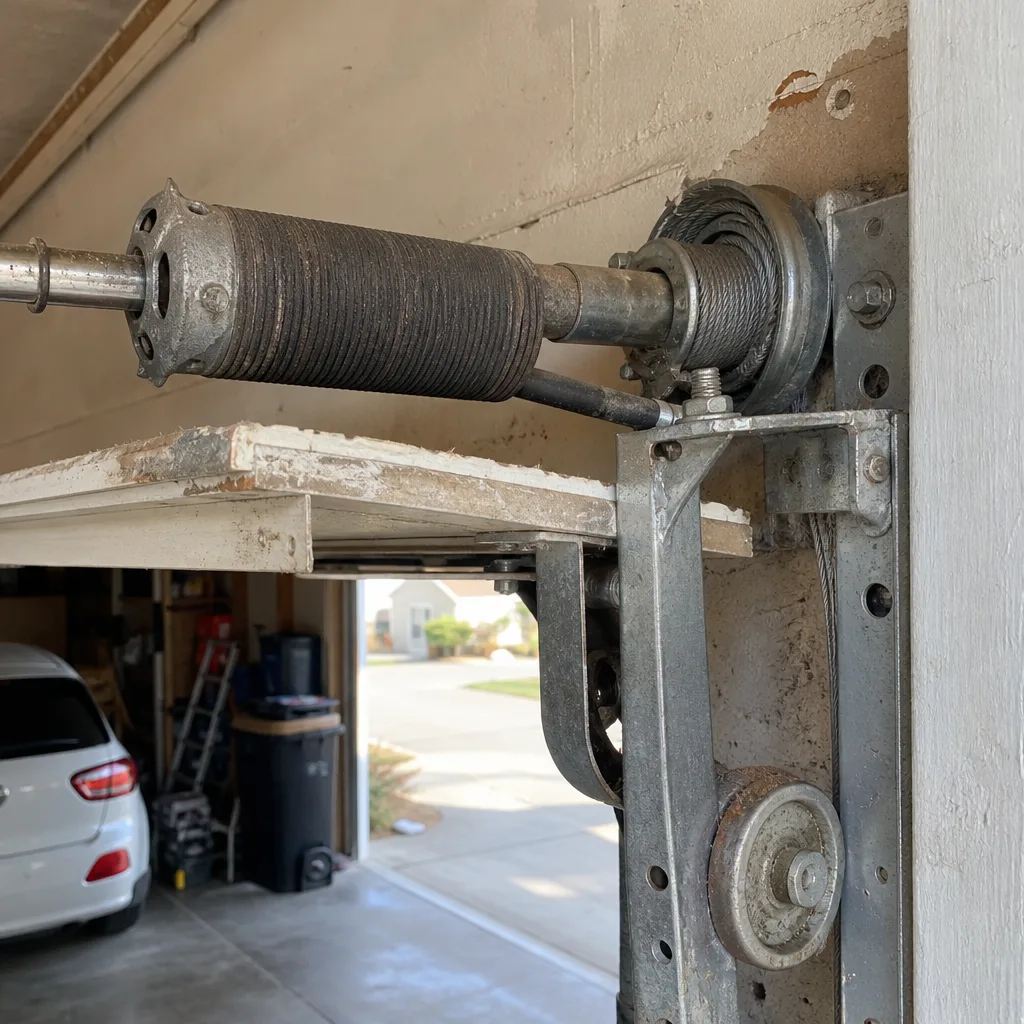 Before
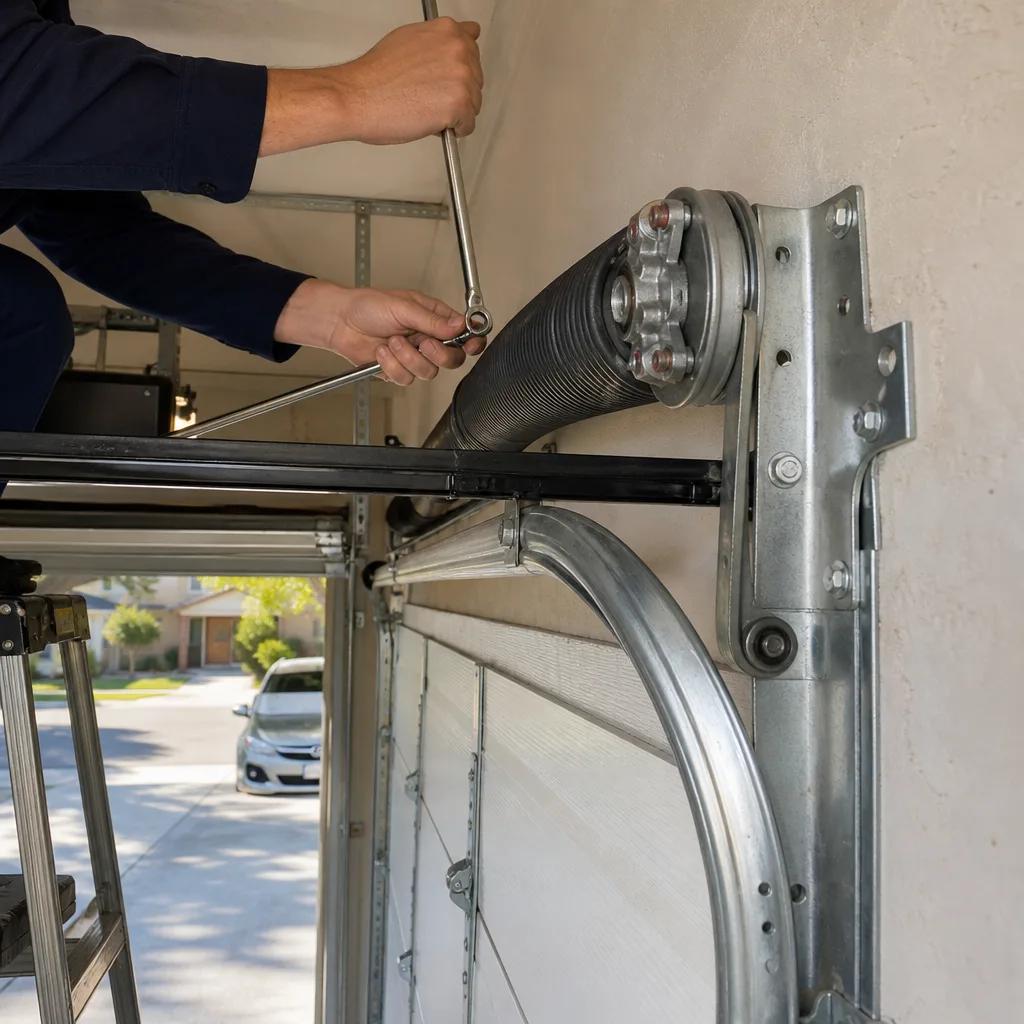 After
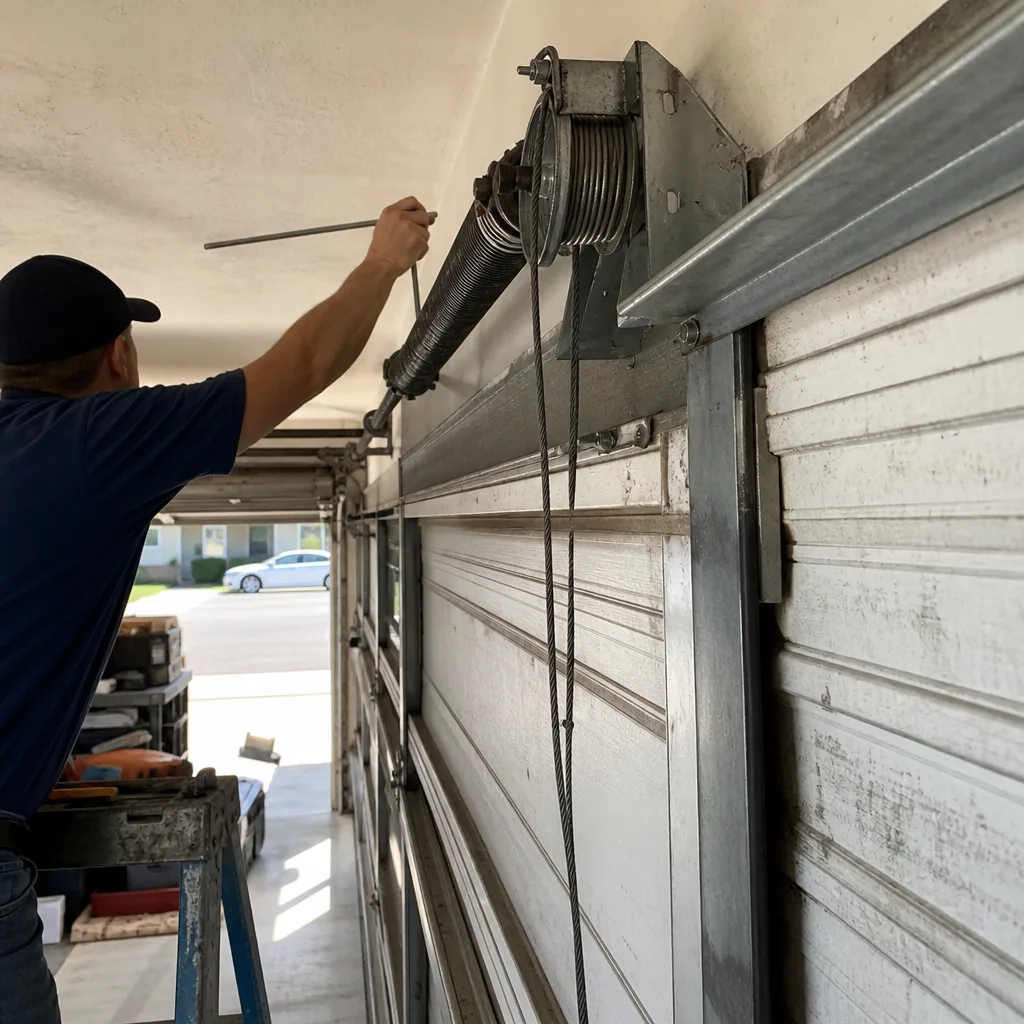 Before
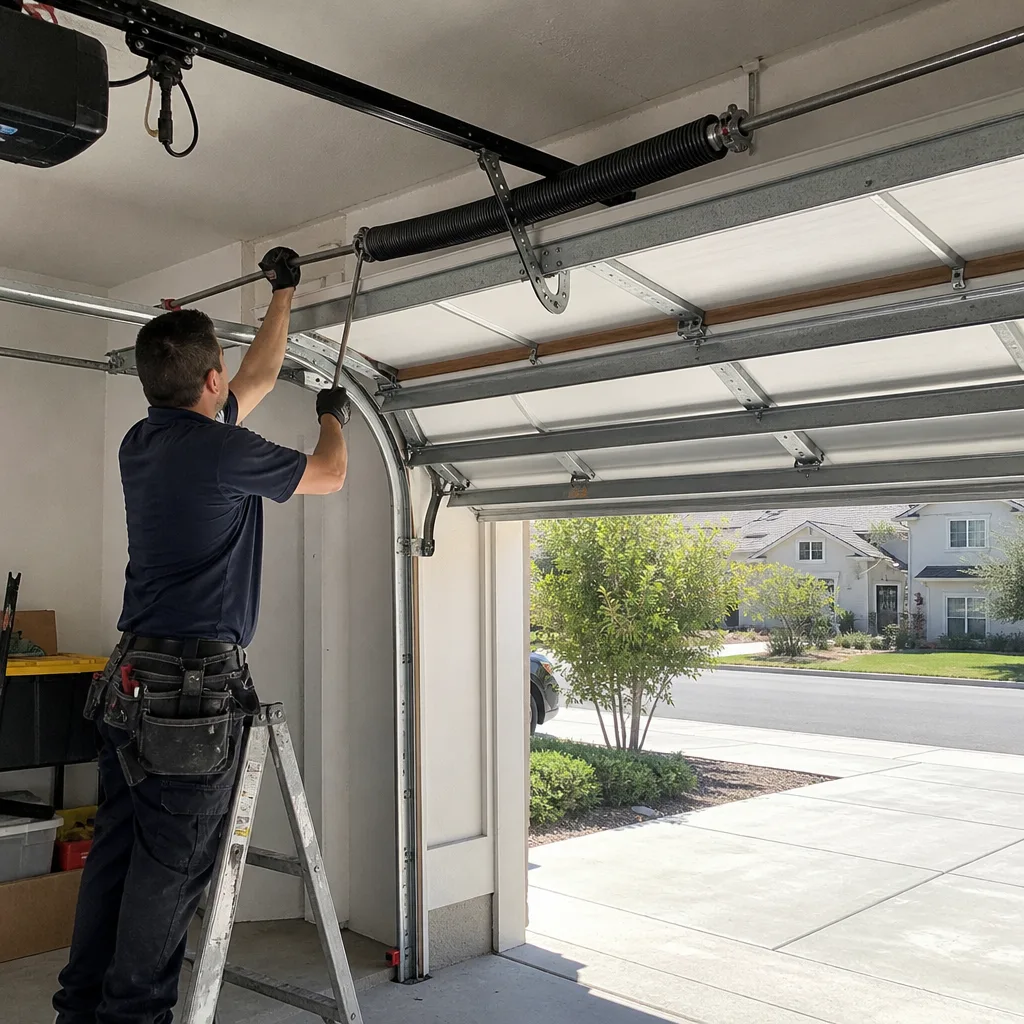 After
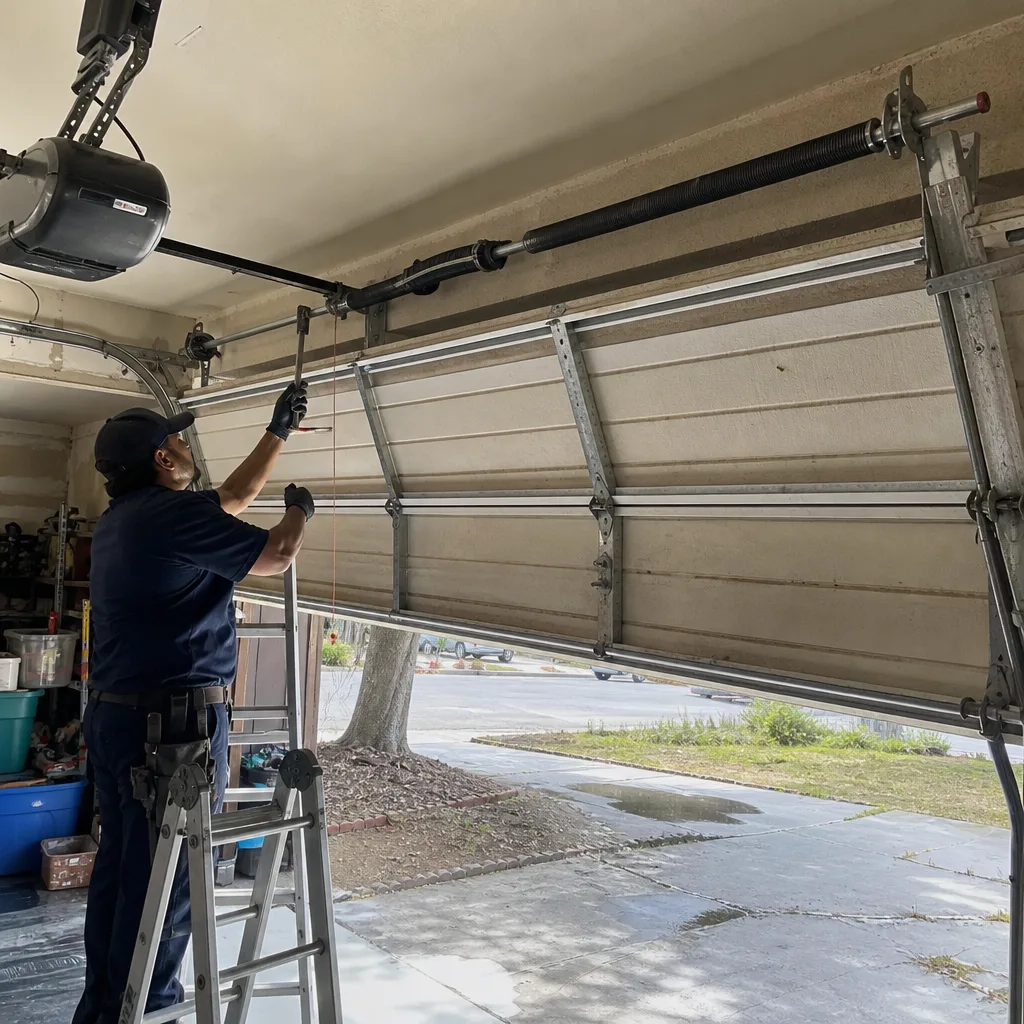 Before
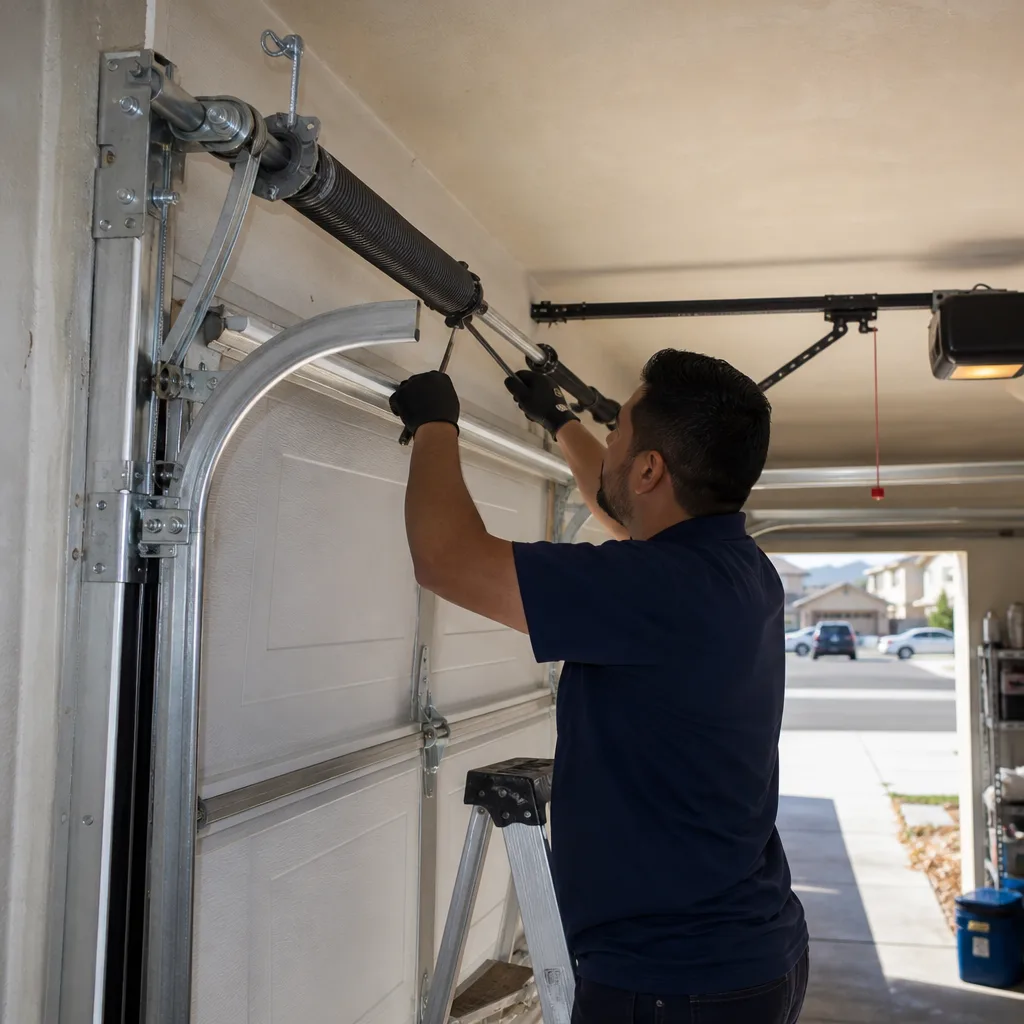 After
When to Call a Professional
Call a garage door professional the moment you encounter a broken spring, a snapped cable, a severely bent track, or a door that won’t stay up when disconnected from the opener. These are not DIY-adjacent situations, and the injury mechanics are real. Also call when you hear grinding from the opener that persists after lubrication, when the door shudders or jerks during travel, or when you’re facing your second repair on a door that’s over 12 years old. At that point, the conversation should shift from “what broke” to “what does the whole system look like for the next five years.” Our Garage Door Repair services include free estimates in Eastvale – call (833) 593-6405 and we’ll inspect the door and opener together, then give you a written price before any work begins.
Frequently Asked Questions
Expect to pay between $180 and $340 per torsion spring in Eastvale, depending on the door’s weight and the spring’s cycle rating. Most residential doors use two springs, and replacing both at once is standard practice because they wear at the same rate. A high-cycle spring that lasts longer in Eastvale’s hot climate adds cost upfront but pays off over time. Call (833) 593-6405 for an exact quote on your door – the estimate is free and the price is agreed before work starts.
We make same-day repair calls across Eastvale whenever a technician is available, and spring replacement is a repair we stock parts for daily. When a door is stuck open or closed, that’s a security problem as much as a convenience problem, and we prioritize those calls. Call (833) 593-6405 as soon as you notice the failure; the earlier you call, the more likely we can fit you in that day.
No. The price we quote over the phone is confirmed in writing when our technician arrives and inspects the door, before any work begins. If the inspection reveals a second problem that wasn’t visible from your description, we’ll show you what we found and get your approval before touching anything. You’ll never see a larger invoice than the number you agreed to.
We stock the most commonly needed parts in Eastvale: torsion springs in multiple sizes and cycle ratings, rollers, hinges, cables, sensors, remote controls, and opener components for LiftMaster, Chamberlain, Genie, and Craftsman systems. For less common Raynor or Wayne Dalton parts, we source them promptly and return to complete the repair as fast as the supply chain allows.
We work on the brand you already have – LiftMaster, Chamberlain, Genie, Clopay, Amarr, Wayne Dalton, Craftsman, and Raynor all fall within our regular service scope. That brand coverage spans the majority of doors and openers installed across Eastvale’s residential developments, so most calls are handled same day without waiting on special parts or second opinions.
Use the 40 percent rule: if the repair cost is less than 40 percent of a new door’s price and the door is under 12 years old with healthy springs and rollers, repair it. If multiple major components need replacement, or the panels are damaged beyond a single section, or the door is over 15 years old, replacement usually wins on total cost. We’ll show you both options in writing and let you decide without pressure. Garage Door Service Eastvale home covers the full range of what we do for Eastvale homeowners.
The Bottom Line
Eastvale’s garage doors are reaching a saturation point of predictable failures, driven by the city’s construction timeline and its inland climate. The good news is that every common failure has a clear, proven fix, and the decision between repair and replacement rarely has to be a guess. Prioritize spring health, keep the door balanced, and document any visible changes for your HOA. One call covers the door and the opener, whether you need a spring replaced, a LiftMaster opener diagnosed, or a full Clopay or Amarr door installed. When the door acts up, call (833) 593-6405 and get a straight answer from a technician who works on the brands Eastvale actually has. For more guides & resources, visit our blog.
Written by the team at Garage Door Service Eastvale, serving Eastvale since 2012.