
Last updated November 2, 2026
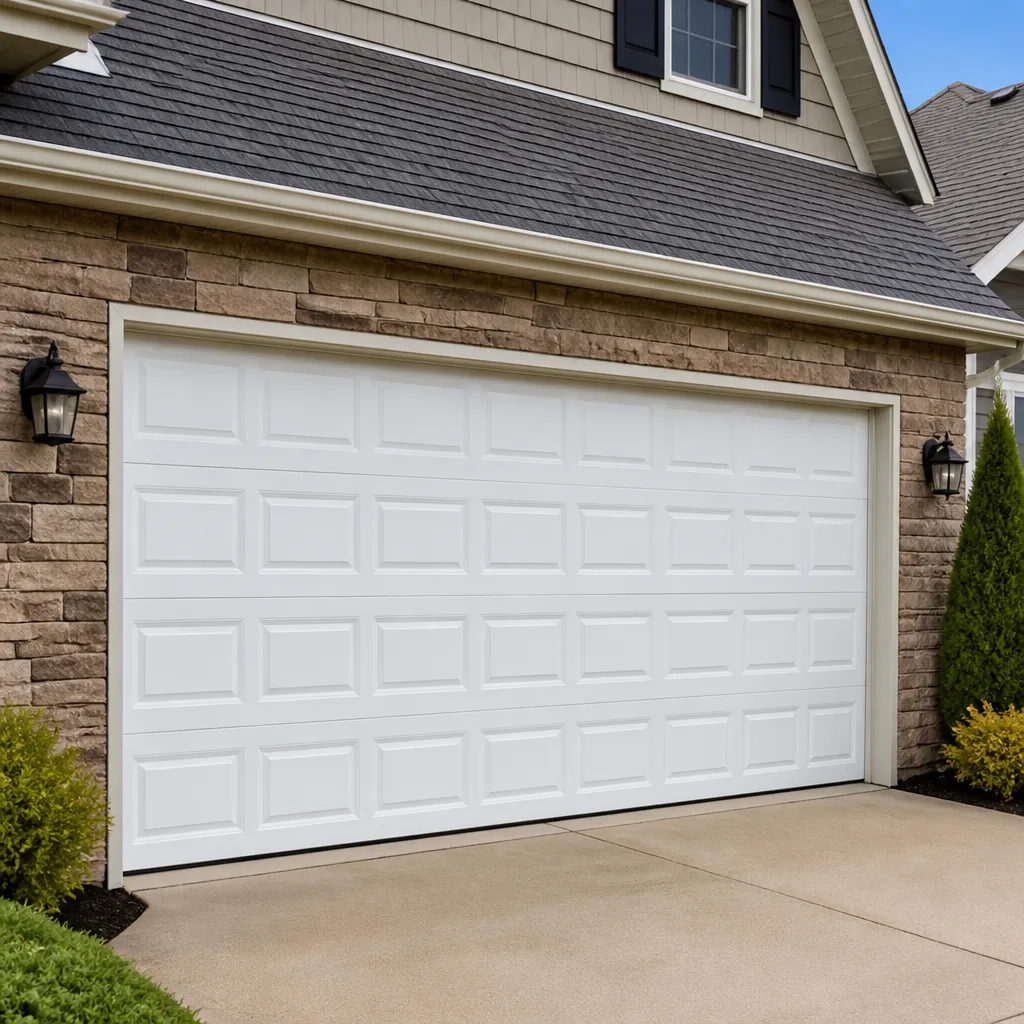 Raised-panel steel
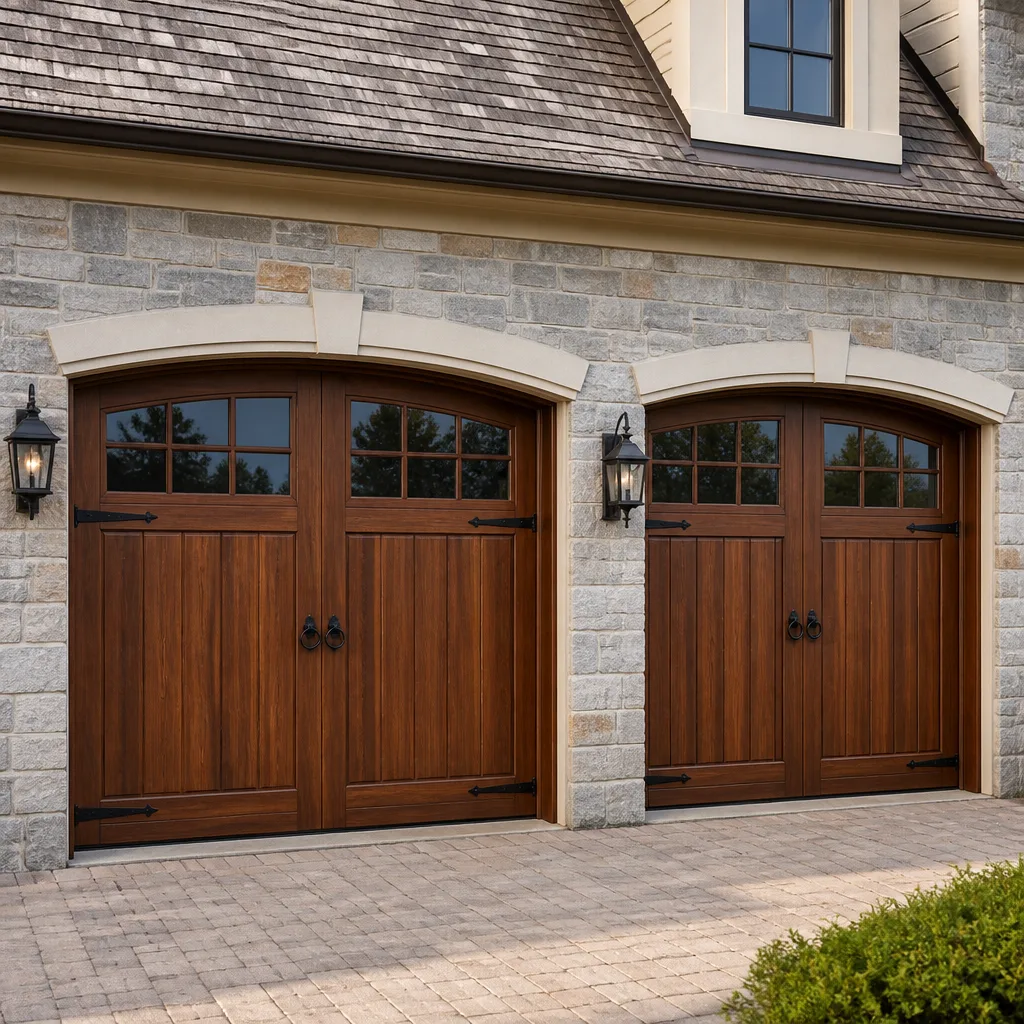 Carriage house
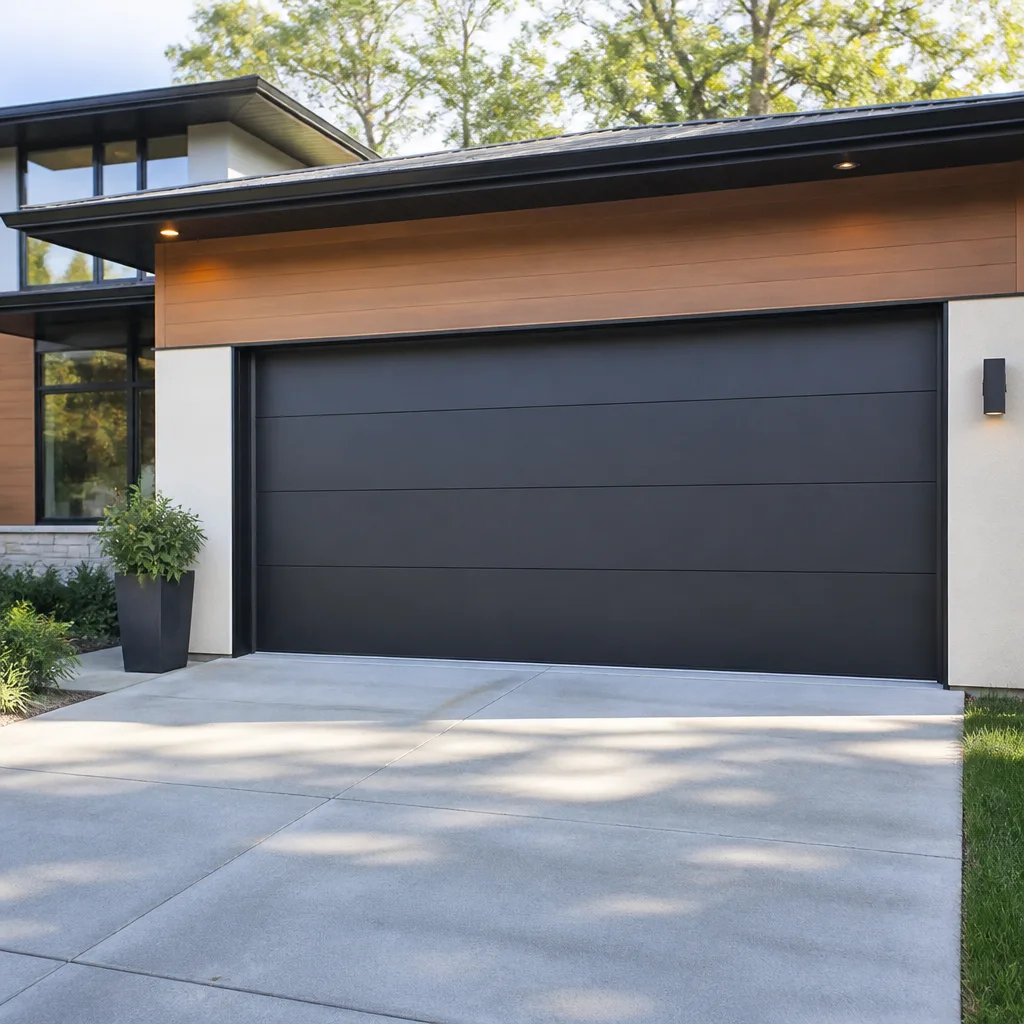 Modern flush
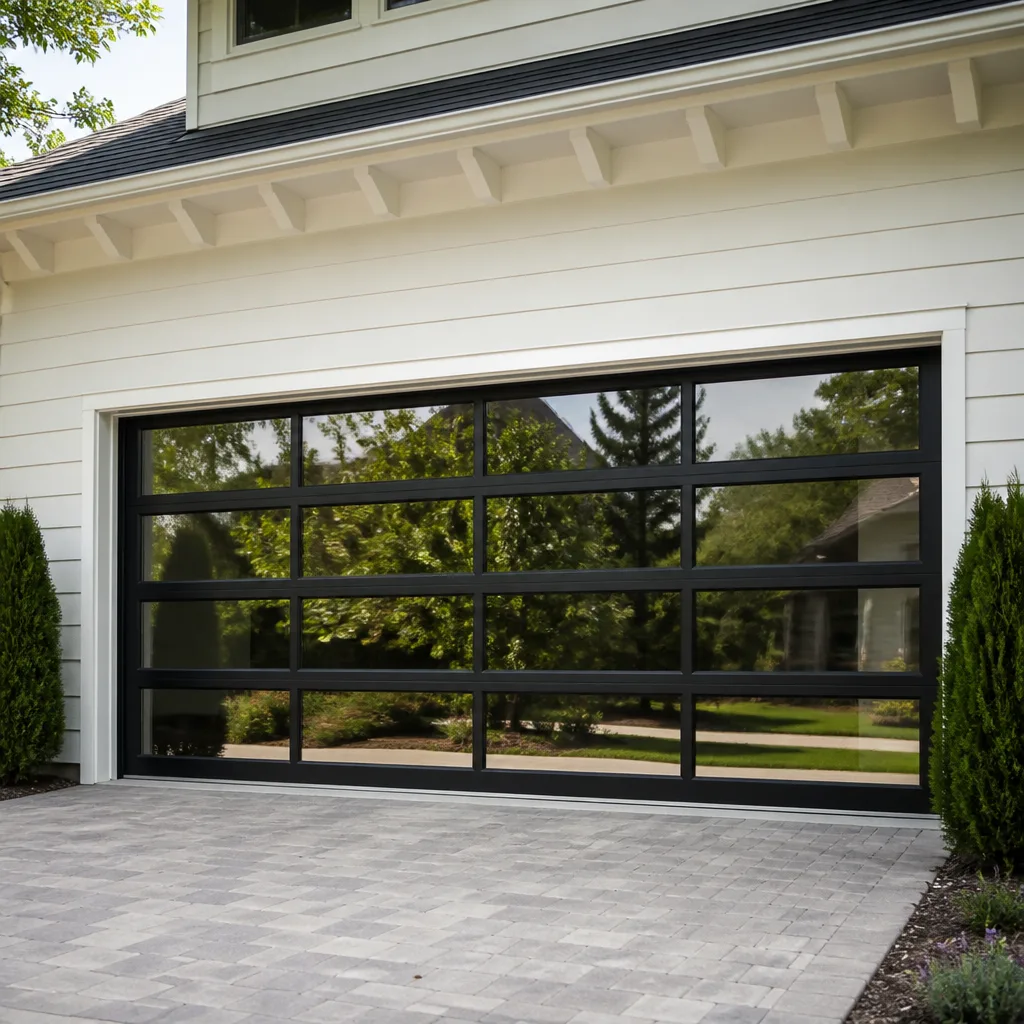 Full-view glass
 LiftMaster openers
 Chamberlain openers
Full 25-point door and opener safety check with every visit - springs, cables, rollers, tracks, and your LiftMaster or Chamberlain opener included
You get a price before we start. It does not change when the truck arrives.
Get your free estimateGarage Door Warning Signs: An Eastvale Homeowner’s Reference Guide
Most garage door failures in Eastvale don’t happen suddenly. They announce themselves weeks, sometimes months in advance, through subtle changes in sound, speed, and movement that most homeowners either miss entirely or dismiss as nothing. The truth is that a garage door is a surprisingly talkative machine. It tells you when a spring is tired, when a roller is grinding itself down, when the opener motor is working harder than it should. The problem is that nobody ever taught you the language. This guide will. We’re going to cover the early-stage symptoms that show up long before a door actually fails, the specific sounds that mean specific things, and how to tell the difference between a problem you should address this week and one you can watch for another month. If you live in Eastvale, where summer heat cycles put real stress on metal components, this information matters more than it does in milder climates.
Styles & brands we work with
- Raised-panel steel
- Carriage house
- Modern flush
- Full-view glass
- LiftMaster openers
- Chamberlain openers
Quick Answer
The most common garage door warning signs in Eastvale are a door that hesitates before moving, a grinding or squealing sound during operation, one side of the door moving slightly faster than the other, visible fraying on cables, and an opener that struggles or reverses for no apparent reason. Any one of these means a component is failing, and most can be fixed affordably before they become emergencies. Call (833) 593-6405 for a free estimate and a straight answer on what needs attention.
Table of Contents
- A Hesitation Before Movement: The Torque Signal
- Sounds That Matter: Distinguishing Normal from Failing
- Uneven Door Travel: What One Side Moving Faster Tells You
- Why Your Opener Works in the Morning but Struggles in the Afternoon
- The Five-Minute Visual Check That Catches Most Problems Early
- Same-Week Repair or Watch-and-Monitor: Honest Criteria
- Brand-Specific Warning Signs: Chamberlain, Genie, Clopay, Amarr
- Common Mistakes to Avoid
- When to Call a Professional
- Frequently Asked Questions
- The Bottom Line
A Hesitation Before Movement: The Torque Signal
A garage door that pauses for half a second before it starts moving is not “sticking.” What you’re seeing is your opener working at or near its torque limit. The motor has to push harder than it was designed to, and that extra effort takes a moment to build. That moment of hesitation is the best early warning sign you have, because it almost always points to a mechanical problem, not an electrical one.
In Eastvale, where we service homes with a wide range of door weights and opener models, the most common cause of that hesitation is a spring that has lost tension. Torsion springs are rated for a specific number of cycles, usually between 10,000 and 20,000. When a spring approaches the end of its life, it doesn’t snap right away. It stretches, weakens, and stops providing the lift assistance the door needs. The opener compensates by working harder. You hear a grunt, see a pause, and then the door lurches into motion.
Other causes include:
- Rollers that have worn flat on one side, increasing friction along the track
- A track that has come slightly out of alignment, pinching the wheels just enough to add resistance
- An opener gear that is stripping inside the motor housing
- Cold weather thickening the grease inside the rail in winter months
The takeaway is simple: hesitation is a torque symptom, and torque symptoms are mechanical symptoms. Calling a Garage Door Repair in Eastvale specialist when you first notice it usually means a spring adjustment or roller replacement, not a full opener replacement.
We’ve seen this exact scenario in the Eastvale neighborhoods along Archibald Avenue and Harrison Avenue, where doors that are a decade or more old start showing this pause in the spring. The fix at that stage is measured in hundreds, not thousands.
Sounds That Matter: Distinguishing Normal from Failing
Every garage door makes some noise. But the specific frequency and timing of that noise tells you exactly what’s happening inside the system. The key is to listen for changes, not for noise in general.
Here’s a breakdown of what specific sounds mean:
- A high-pitched squeal that’s consistent while the door moves: This is almost always roller wear. The bearing inside the roller has dried out or the wheel itself has developed flat spots. If it’s a nylon roller on a door installed after 2005, the sound means the bearing is done. Replacement is quick and inexpensive.
- A low-frequency rumble or vibration that you feel in the wall: This points to the opener itself, not the door. The motor mount may be loose, or the drive gear is wearing. On chain-drive openers, a loose chain produces this exact vibration.
- A popping or creaking sound when the door begins to move: This is often a spring that’s binding or a torsion tube that needs lubrication. It’s not an emergency, but it’s a sign that metal parts are grinding against each other.
- A rhythmic thumping as the door rises or lowers, like a heartbeat: This is a sign of a roller hitting a flat spot or a dent. If the door moves through one section where you hear the thump every time, look at the panel at that height. A small dent from a car bumper or a piece of yard equipment is often the cause.
- A screech that lasts only a second when the door starts and stops: This is typically the hinge points at the top and bottom of each panel. They need lubrication. It’s a five-minute fix on a Saturday morning.
The important distinction is consistency. A door that makes the same sound in the same place every time is telling you something specific. A door that makes random intermittent sounds needs more observation. Write down when you hear it, what the door was doing, and what the temperature was. That kind of detail helps a technician pinpoint the issue quickly.
In our experience working on Garage Door Service Eastvale home systems, Genie and Chamberlain openers each have their own characteristic failure sounds. A Genie screw-drive that sounds like it’s grinding metal on metal is usually the trolley. A Chamberlain belt-drive that whines under load is often the belt tensioner. Knowing your brand means knowing what to listen for.
Uneven Door Travel: What One Side Moving Faster Tells You
Stand in front of your closed garage door next time you open it. Watch the top edge. Does it stay perfectly level as it rises, or does one side lift slightly before the other?
A door that’s out of level by even half an inch at the start of travel is telling you that spring tension is unequal across the two sides. On a standard torsion spring system, the spring sits on a bar above the door and applies tension evenly. When it’s new, both cables carry the same load. When it’s aging, the spring stretches slightly more on one side, and that side of the door starts moving first.
This matters more than you might think, for two reasons:
- It compounds quickly. Once one side leads, the cables on the lagging side go slack for a fraction of a second on every cycle. That slack causes micro-slippage at the cable drum. After a few hundred cycles, the cable has walked enough on the drum that it can slip off entirely. A cable that comes off the drum is a same-day emergency, because the door can rack and bind in the tracks.
- It wears rollers and hinges asymmetrically. The side that leads is doing more work. Its rollers flatten faster, its hinges develop play faster. When you eventually do replace the spring, you may also be replacing rollers and hinges that wore out prematurely because the door was running out of level for months.
In Eastvale’s summer heat, this uneven wear accelerates. Metal tolerances expand when temperatures climb above 95 degrees, and a door that’s slightly out of level gets more out of level faster. If you notice the leading edge varying from week to week, that’s the spring telling you it’s near the end of its cycle life.
The check takes ten seconds. Stand in the center, open the door, watch the top edge. If it’s off, don’t wait for the lag to become visible from inside the car. Call before the cable jumps.
Why Your Opener Works in the Morning but Struggles in the Afternoon
This is one of the most commonly misdiagnosed garage door problems in Eastvale. A homeowner opens the garage at 7 a.m. and the door goes up fine. Same door at 4 p.m., 98 degrees outside, and the opener reverses halfway up or refuses to move at all. The owner assumes the opener is failing. It usually isn’t.
What’s happening is thermal expansion. Your garage door panels, especially steel ones, expand when they get hot. A door that’s a perfect fit in the track at 70 degrees is slightly wider at 105 degrees. That expansion increases friction between the rollers and the tracks. The opener’s force settings, which were set when the door was cold, now read that friction as an obstruction and trigger the safety reverse.
This is a heat-related symptom, not a random glitch, and it’s more common in Eastvale than in coastal cities because our afternoon temperatures regularly exceed what garage door systems were tested for. The fix is often an adjustment to the opener’s force settings and a track alignment check, not a new opener.
Here’s how to tell whether heat is the culprit vs. a genuinely failing opener:
- A heat-related issue shows up only on days above roughly 90 degrees. A failing opener shows up regardless of temperature.
- A heat-related issue resolves itself once the garage cools down in the evening. A failing opener doesn’t improve.
- A heat-related issue affects the close cycle more than the open cycle, because the door has been soaking up heat all day and is at its largest in the late afternoon.
If your opener only acts up on hot afternoons, you likely don’t need a new opener. You need a force adjustment, and possibly a track realignment, from someone who understands how Eastvale’s summer climate affects door hardware. That’s a service call, not a replacement. When you call for Garage Door Opener Repair in Eastvale, mention the time of day and temperature when the problem happens. It shortens the diagnostic time significantly.
The Five-Minute Visual Check That Catches Most Problems Early
You don’t need to be a technician to spot most of the problems that lead to emergency service calls. You just need to know where to look and what to look for. This check takes under five minutes and can be done with the garage door closed, no tools required.
Step 1: Look at the cables. With the door closed, stand inside the garage and look at both sides of the door. You’ll see a steel cable running from the bottom bracket up to the cable drum above. Run your eyes along the full length. You’re looking for fraying: individual wire strands that have broken and are poking out. A frayed cable is a time bomb. It can hold for weeks or snap next time you open the door. If you see fraying, call same day.
Step 2: Look at the rollers. The rollers sit inside the vertical tracks on both sides. Look for any roller that’s not sitting in the track properly, or any roller that has visible wobble. Worn rollers create more friction and stress the opener. They also grind down the track over time, which turns a cheap roller replacement into an expensive tracked replacement.
Step 3: Look at the spring. If you have a torsion spring system, the spring is mounted above the door on the header. Look at the coils. A healthy spring has clean, evenly spaced coils. A failing spring may have a visible gap where coils have separated, or a rusty, pitted surface. If you see a gap, the spring is already partially failing.
Step 4: Look at the track fasteners. Run your eyes along the vertical tracks on both sides. Every mounting bracket should sit flush against the wall. A bracket that’s pulling away or has visible wall cracks around it means the track is loose, and a loose track allows the door to bind.
Step 5: Close the door and look at the gap. Walk outside and check the gap between the bottom of the door and the ground. It should be even from left to right. If one side sits lower, your door is out of level, which connects back to the uneven travel issue we covered earlier.
This five-minute check, done once a month, catches roughly 80% of the problems that lead to emergency garage door calls in Eastvale. And catching them early is the difference between a $250 repair and a $1,200 replacement.
Same-Week Repair or Watch-and-Monitor: Honest Criteria
Not every warning sign means you need to call someone tomorrow. Some problems are urgent, some are not, and knowing which is which saves you money and stress. Here’s the honest criteria we use when homeowners ask us whether something can wait.
Call within the next day or two if you have:
- Frayed or rusting cables. This is the one component where failure is sudden and catastrophic. A cable snap drops one side of the door instantly, which can damage the door, the track, and anything in the way.
- A spring with a visible gap in the coils. When a torsion spring separates, it’s lost metal integrity. The energy stored in a torsion spring is enormous, and when it lets go, the failure is loud and violent.
- A door that reverses or stops mid-travel. This is a safety system doing its job, but it’s telling you the door is binding or the force settings are wrong.
- Any grinding sound coming from the opener housing. That’s gears stripping metal against metal inside a sealed unit. It won’t self-correct.
Watch and monitor for up to a month if you have:
- A door that’s slightly slow in colder weather but operates fine the rest of the day. Cold thickening lubricant is normal.
- A mild squeak that comes and goes and doesn’t correlate with any visible wear. Lubricate the hinges and see if it resolves.
- A door that’s out of level by less than a quarter inch and doesn’t change week to week. Check it again in two weeks. If the gap is growing, call.
- Intermittent cosmetic noises like loose hardware rattling when the opener runs. Tighten the visible bolts first.
The honest truth is that some garage door noise is just noise. The difference between a nuisance and a warning is whether it’s consistent, whether it’s getting worse, and whether it correlates with a visible problem. When in doubt, call and describe what you’re seeing. A good technician can usually tell you over the phone whether something deserves a service visit.
If you’ve got a door that’s giving you mixed signals and you’re not sure which bucket it falls into, one call to a garage door specialist with experience across Clopay, Amarr, and the other major brands can clear things up quickly. We’re familiar with how each brand’s hardware ages, which means faster diagnosis and fewer unnecessary service calls.
Brand-Specific Warning Signs: Chamberlain, Genie, Clopay, Amarr
Different manufacturers design their hardware differently, which means each brand has its own characteristic failure patterns. If you know what to look for on your specific brand, you can spot trouble earlier.
Chamberlain Openers
Chamberlain is one of the most common opener brands in Eastvale homes, and the most frequent issue we see is gear wear inside the motor housing. The symptom is a loud grinding sound while the motor runs but the door doesn’t move. That means the plastic drive gear has stripped. The motor itself is often still fine, and the gear can be replaced for far less than a new opener. Another Chamberlain-specific sign is the door stopping halfway and reversing only when the sun is hitting the safety eye sensors directly. That’s not a mechanical failure; it’s sensor interference, and it’s often fixed with a small sun shield.
Genie Openers
Genie’s screw-drive models are workhorses, but they develop a distinctive metallic scraping sound when the trolley begins to wear. If you have a Genie screw-drive that’s ten or more years old and it’s scraping while running, the trolley is likely near the end of its life. The good news is that on many models, replacing the trolley is a straightforward job that doesn’t involve touching the rail or the motor.
Clopay Doors
Clopay builds some of the most common residential doors in Eastvale, and the warning sign that shows up most often is delamination on older steel panels. Look at the outside of the door on a sunny afternoon. If you see ripples or bubbles under the paint, the steel skin is separating from the insulation core. That’s not cosmetic. It means moisture has gotten inside the panel, and the panel’s structural integrity is going. Once delamination starts, it spreads.
Amarr Doors
Amarr doors generally hold up well in Eastvale’s climate, but the hardware that ships with entry-level Amarr models tends to wear faster than the door itself. The rollers, in particular, are often the first component to go. If you have an Amarr door with the original rollers and you’re hearing a persistent squeal, the fix is typically upgrading to a heavier-duty roller rather than replacing the door. The door itself is usually fine.
We work on all of these brands regularly, and the manufacturer-specific knowledge means we can often tell you over the phone what the likely issue is before we even roll a truck. When you call, have your brand and approximate door age ready. It helps a lot.
Common Mistakes to Avoid
- Lubricating a door that’s already grinding. Lubricant quiets a squeak, but it doesn’t fix a wallowed-out bearing or a stripped gear. If the sound is a grind, not a squeak, lubrication just hides the symptom while the damage continues.
- Ignoring a door that’s out of level because “it still works.” An out-of-level door is wearing its cables and rollers unevenly every single cycle. The damage is cumulative and silent until the day it isn’t.
- Replacing the opener when the spring is the problem. This happens constantly. A tired spring makes the opener work harder, which makes the opener look like it’s failing. If your opener is struggling, check the spring first. A $250 spring is a lot less than a $600 opener.
- Adjusting the opener’s force settings yourself to “fix” the reversal problem. The safety reverse exists to prevent crushing injuries and deaths. Cranking the force to push through the resistance is not a repair, and it’s dangerous. This is one we want to emphasize: do not bypass or override any garage door safety system.
- Waiting for the spring to snap before calling. When a torsion spring snaps, the released energy can damage the door, bend the tracks, and in rare cases, injure anyone standing nearby. It’s a violent event. Watching the early signs and replacing the spring on schedule avoids it entirely.
- Replacing one spring when you have a two-spring system. If one spring has failed, the other is at the same cycle count or close to it. Replacing only the broken one means a mismatched system, and the second spring often fails within months. That second service call cost more than replacing both at once would have.
- Working on the cables yourself. The cables are under constant tension from the spring. Releasing that tension improperly is one of the most dangerous things a homeowner can do around a garage door. This is not a weekend project. Call someone who does it daily.
When to Call a Professional
Any issue involving the torsion spring, the lift cables, or the opener’s internal drive mechanism is a job for a trained technician. These components store significant energy even when the door is closed, and the injuries that result from improper handling are severe. If you see frayed cables, a separated spring, or hear grinding inside the opener, stop using the door and call.
Other situations that warrant a professional: a door that’s visibly out of level and getting worse, a door that reverses or binds repeatedly, any impact damage from a vehicle, and any time you’re not sure whether what you’re seeing is normal. The cost of a diagnostic visit is always less than the cost of a failure ignored.
Garage Door Service Eastvale offers free estimates throughout Eastvale. Call (833) 593-6405 and describe what you’re seeing. We’ll tell you straight whether it needs attention now or can wait.
Frequently Asked Questions
A garage door spring is going bad when you see a visible gap in the coils, hear a popping sound when the door starts moving, or notice that the door feels heavier when you disconnect the opener and lift it manually. In Eastvale’s heat, springs also fail faster than in mild climates because the metal expands and contracts daily. If your door is hesitating or struggling, call (833) 593-6405 and have the spring checked before it snaps.
A loud bang from your garage door usually means a spring has just snapped. If you hear a single loud bang followed by the door refusing to open, one of your torsion springs has failed. Do not try to open the door manually or with the opener. The spring failure means the door is not counterbalanced, and it may be extremely heavy. Call a professional. For a same-week spring replacement in Eastvale, call (833) 593-6405.
Most early-stage garage door repairs in Eastvale cost between $150 and $400, depending on whether you need a roller replacement, a spring adjustment, or a track realignment. The same problem left for another six months often becomes a $700 to $1,500 emergency repair. Early intervention is always cheaper. Call (833) 593-6405 for a free estimate and an honest assessment of what needs doing now versus what can be watched.
Replacing a roller on the bottom wheel of a garage door is dangerous because that roller is attached to the cable and under spring tension. Releasing that roller without properly securing the door can result in the cable snapping loose. Roller replacement on the top and middle wheels is less dangerous but still requires removing the hinge attachment. For anything beyond simple lubrication, call a professional.
Yes. Eastvale’s temperature swings, from near freezing on winter nights to triple digits in summer, cause metal components to expand and contract daily. That repeated cycling accelerates spring fatigue, speeds up roller bearing wear, and causes thermal expansion issues in steel doors that you don’t see in coastal cities. Homeowners in Eastvale should check their door hardware more frequently than homeowners in milder climates.
Once a year is the right interval for most Eastvale homes. An annual inspection catches spring wear, cable fraying, and track alignment issues before they become emergencies. If your door is more than ten years old or you hear new sounds, twice a year is smarter. If you’re considering a new door, we also handle Garage Door Installation in Eastvale, and we’ll tell you honestly whether repair or replacement makes more sense for your specific situation.
The Bottom Line
Garage doors don’t fail without warning. They hesitate, they creak, they run slightly off level, they struggle in the afternoon heat. The signs are there, and they’re readable if you know what each one means. The hesitation is torque. The squeal is roller wear. The uneven travel is spring fatigue. The afternoon struggle is thermal expansion. None of these are mysteries, and none of them require a new door or even a new opener if you catch them early. What they require is attention. A five-minute visual check once a month and a willingness to call when something changes will save you from the emergency calls, the damaged panels, and the thousand-dollar surprises. The door tells you. Now you know how to listen.
Written by the team at Garage Door Service Eastvale, serving Eastvale since 2012.
See the difference
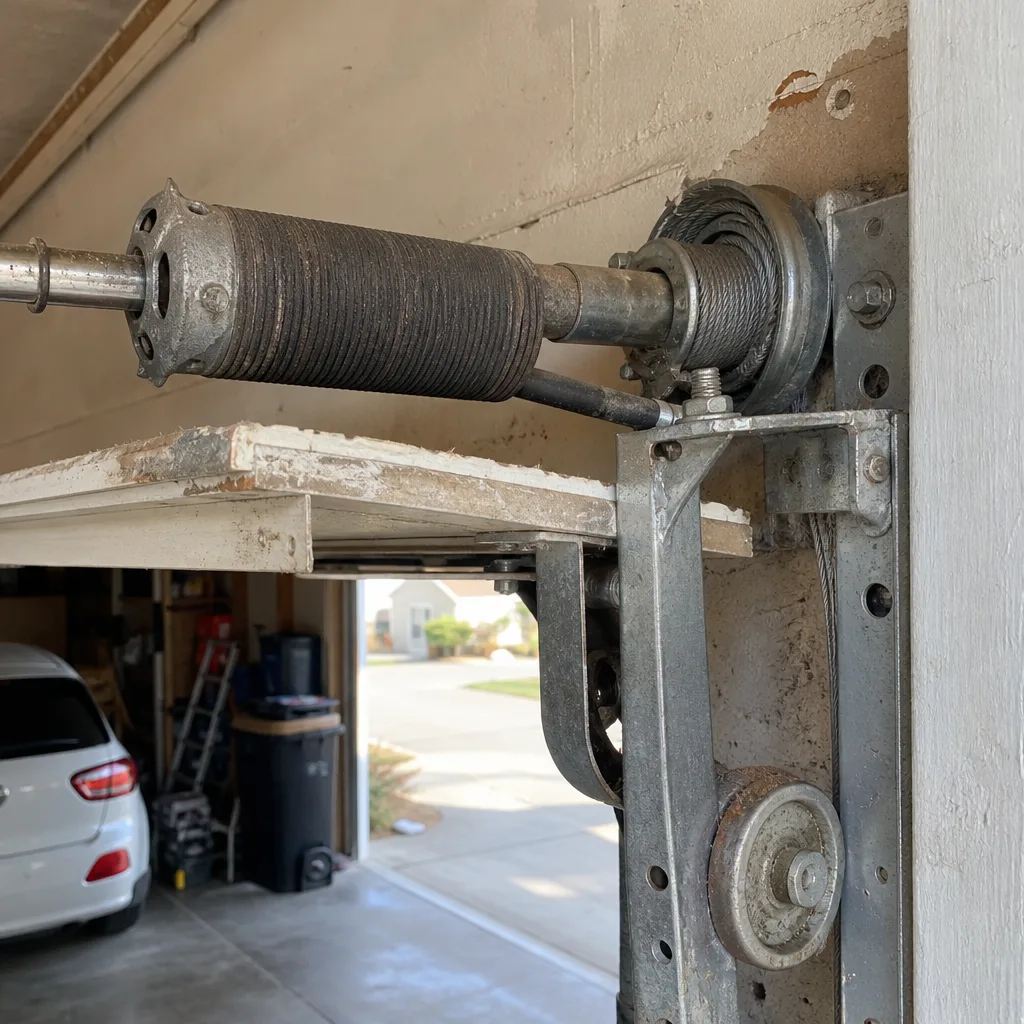 Before
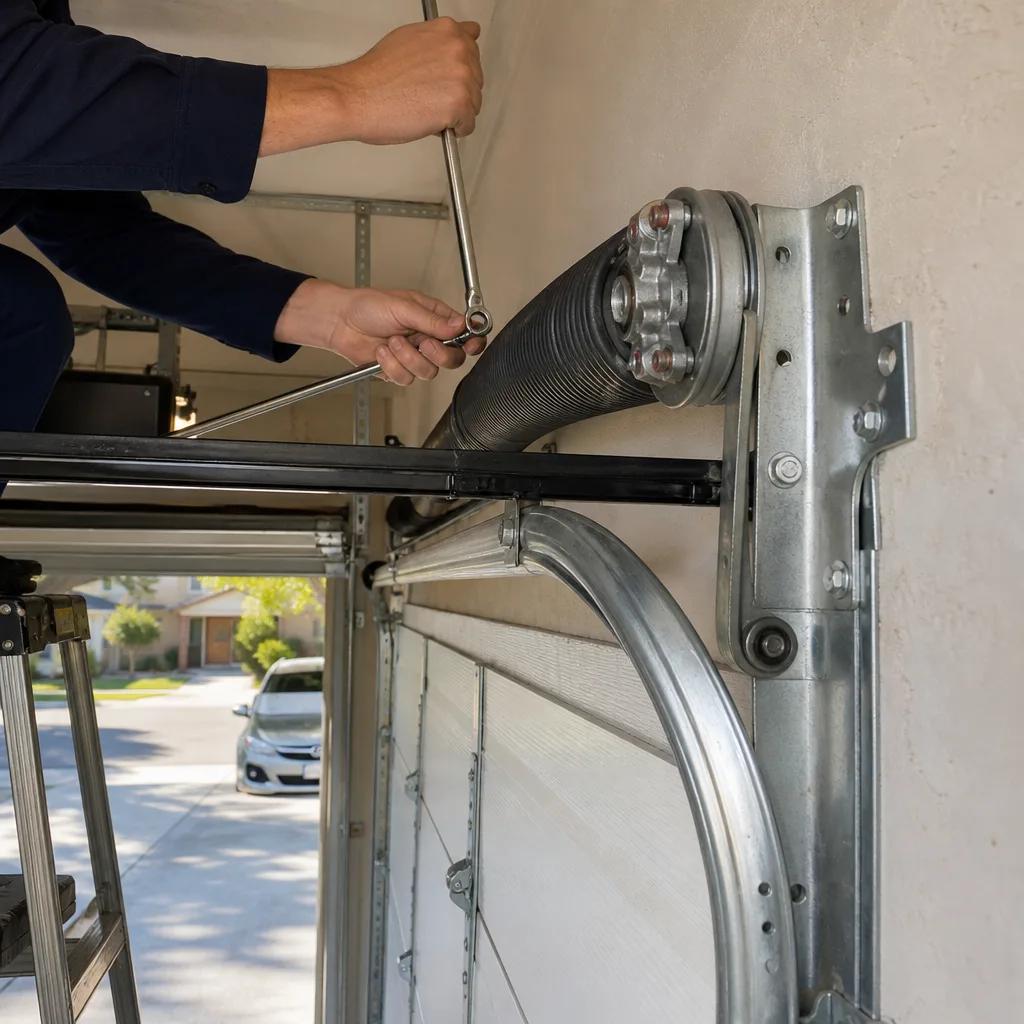 After
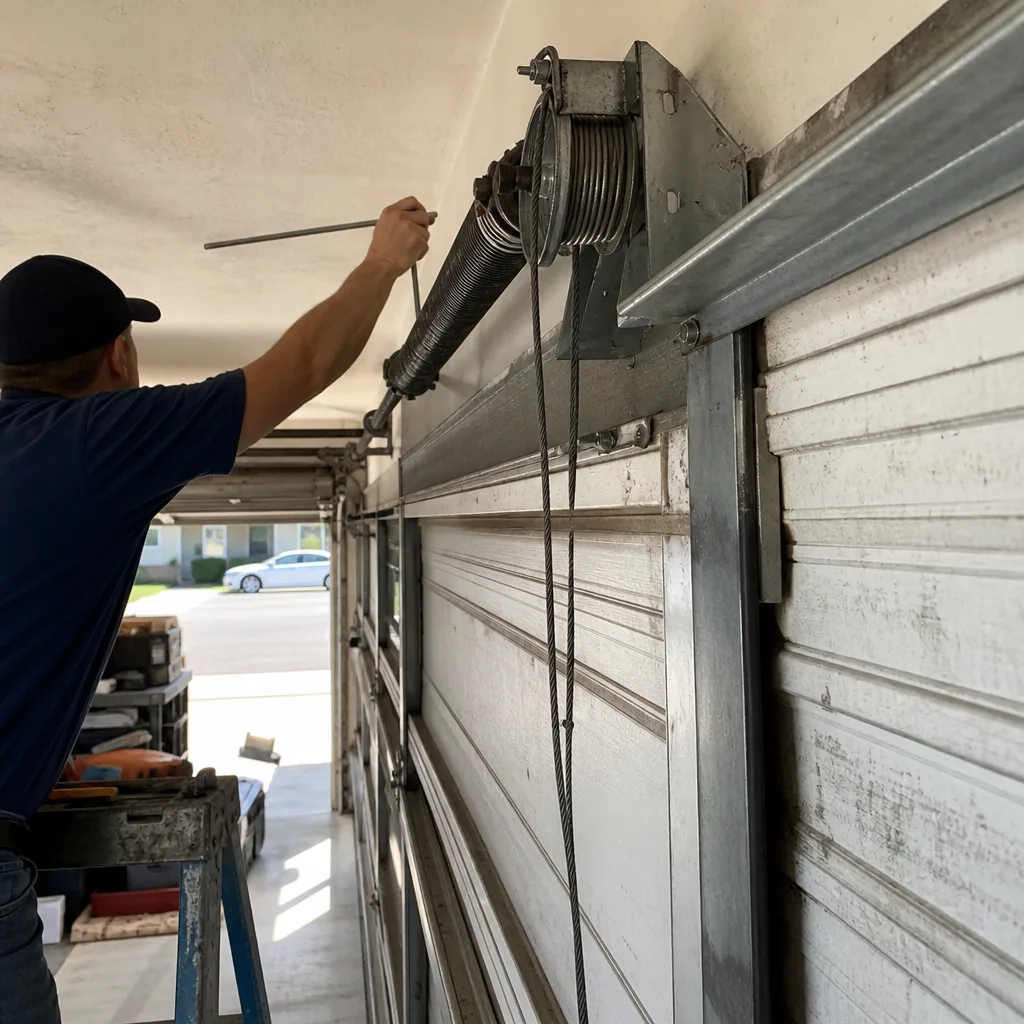 Before
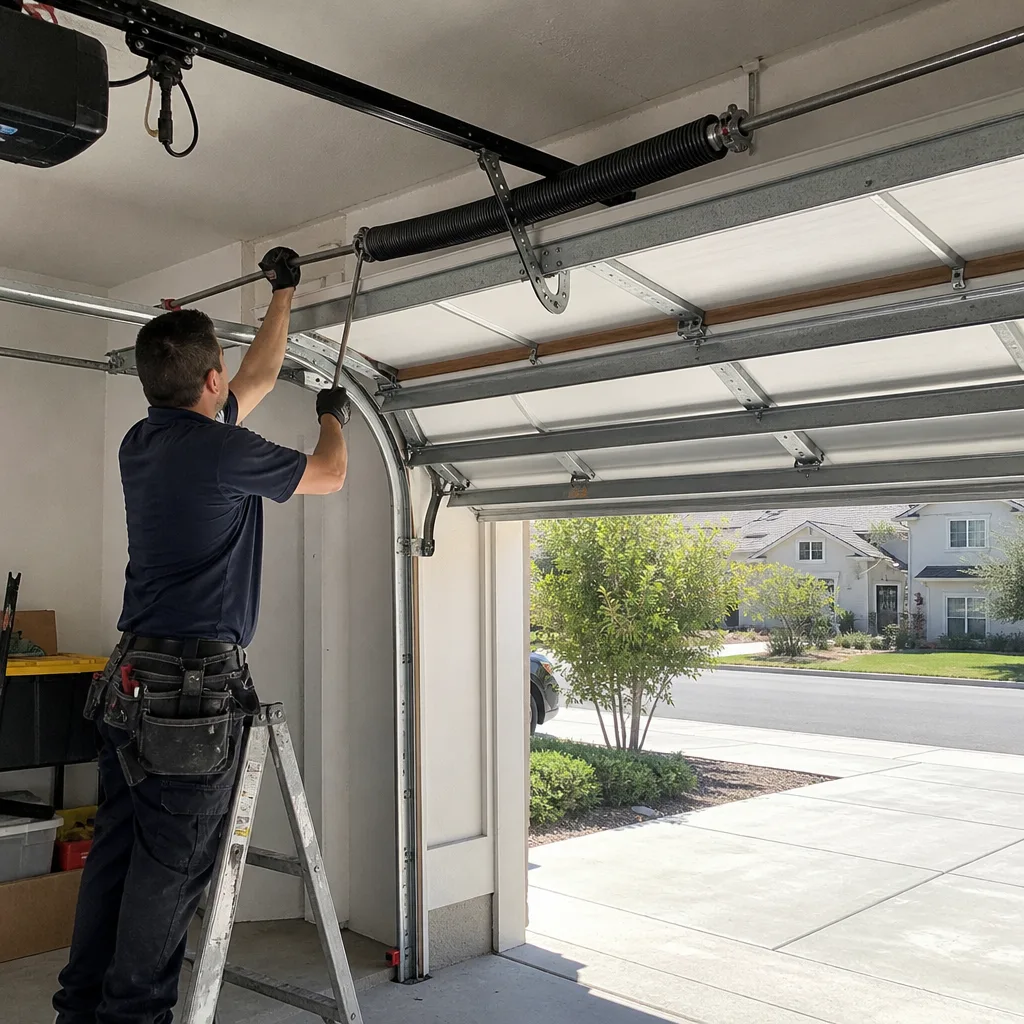 After
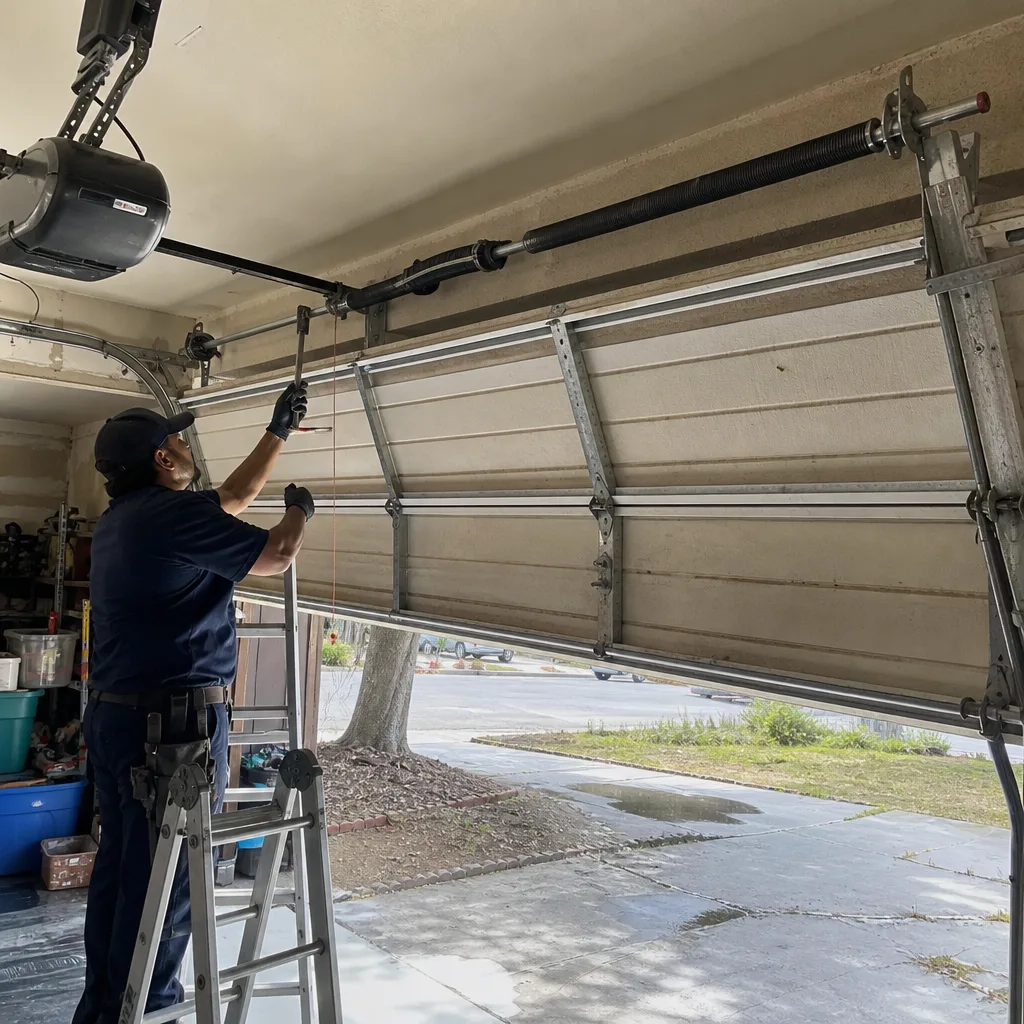 Before
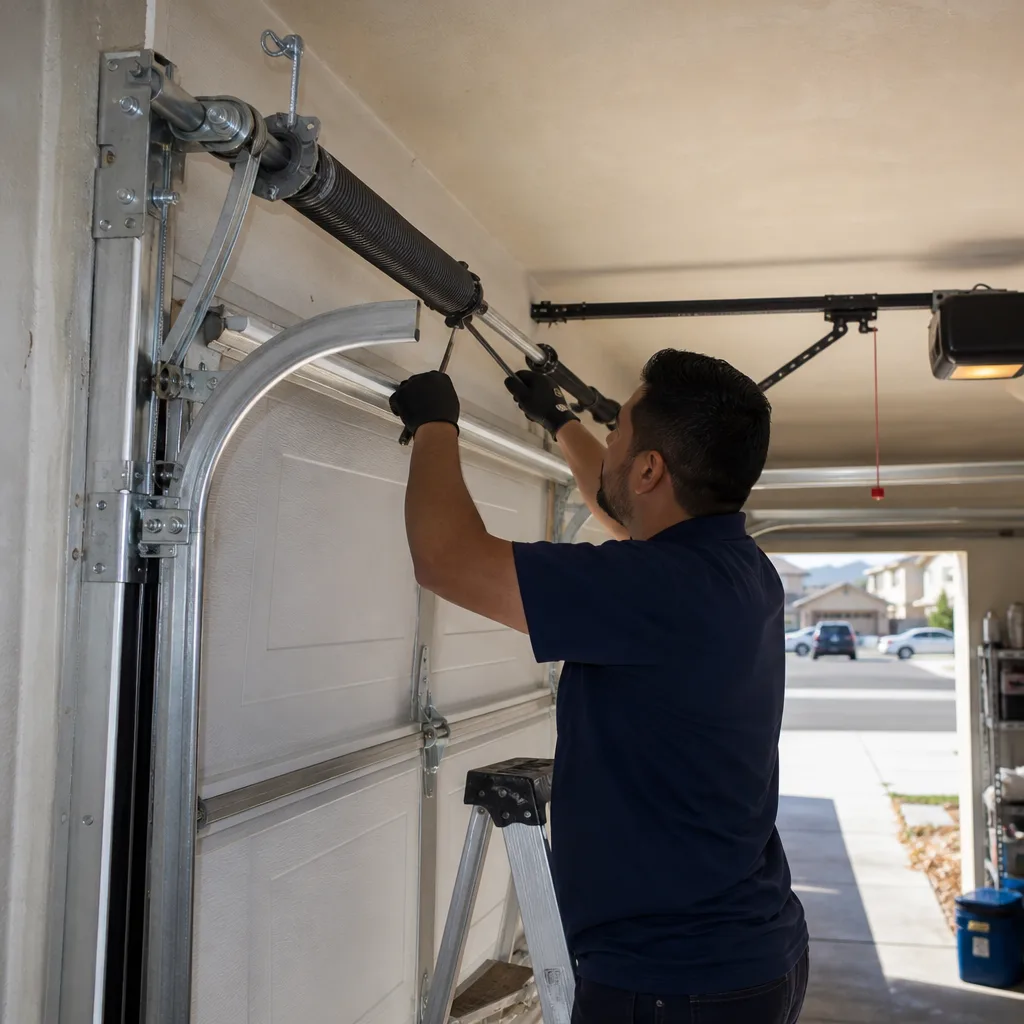 After