
Last updated November 2, 2026
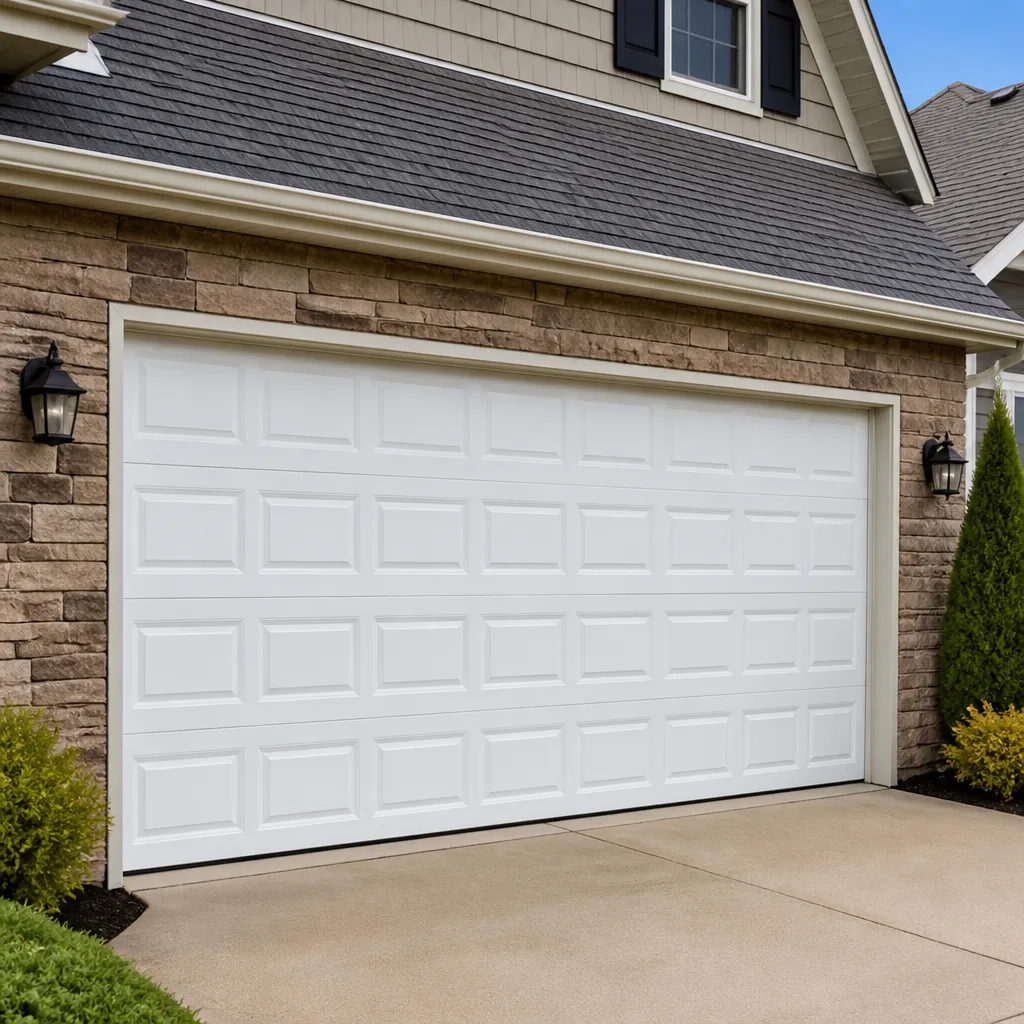 Raised-panel steel
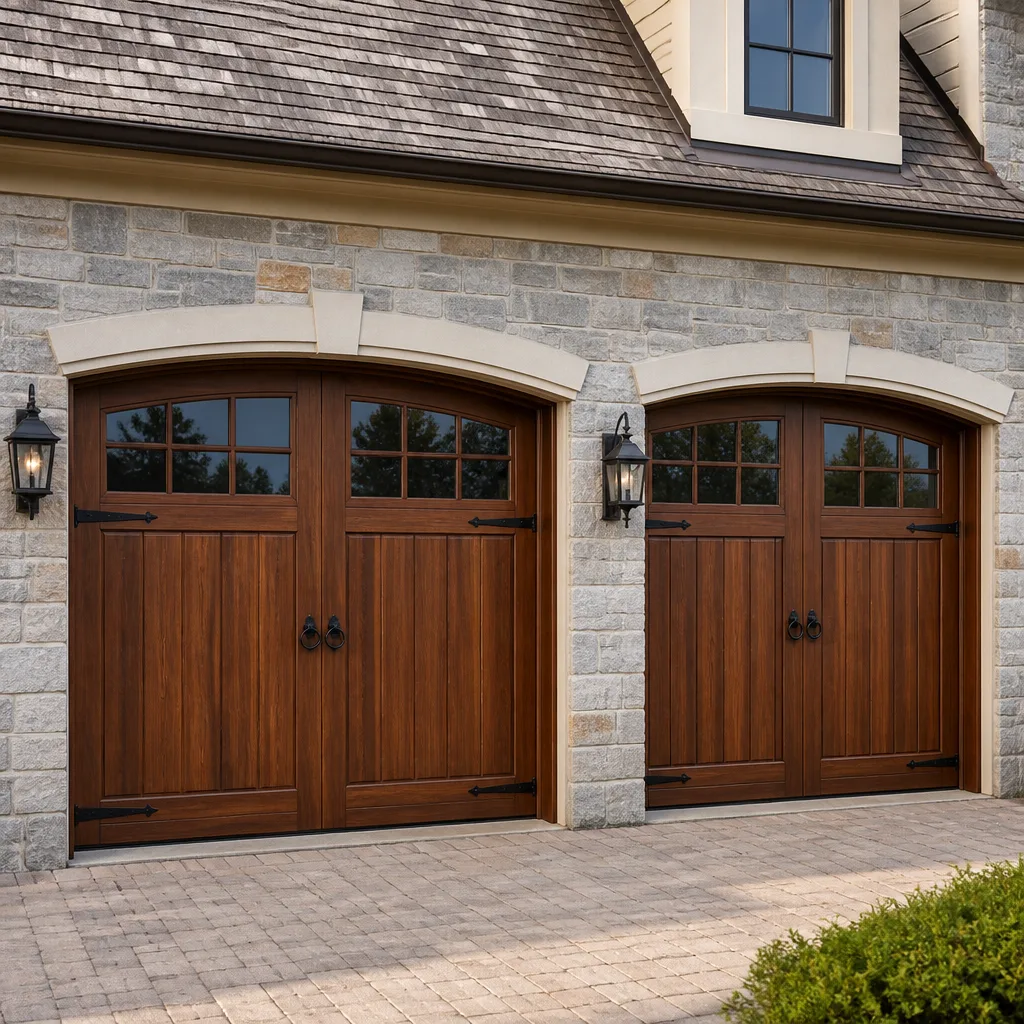 Carriage house
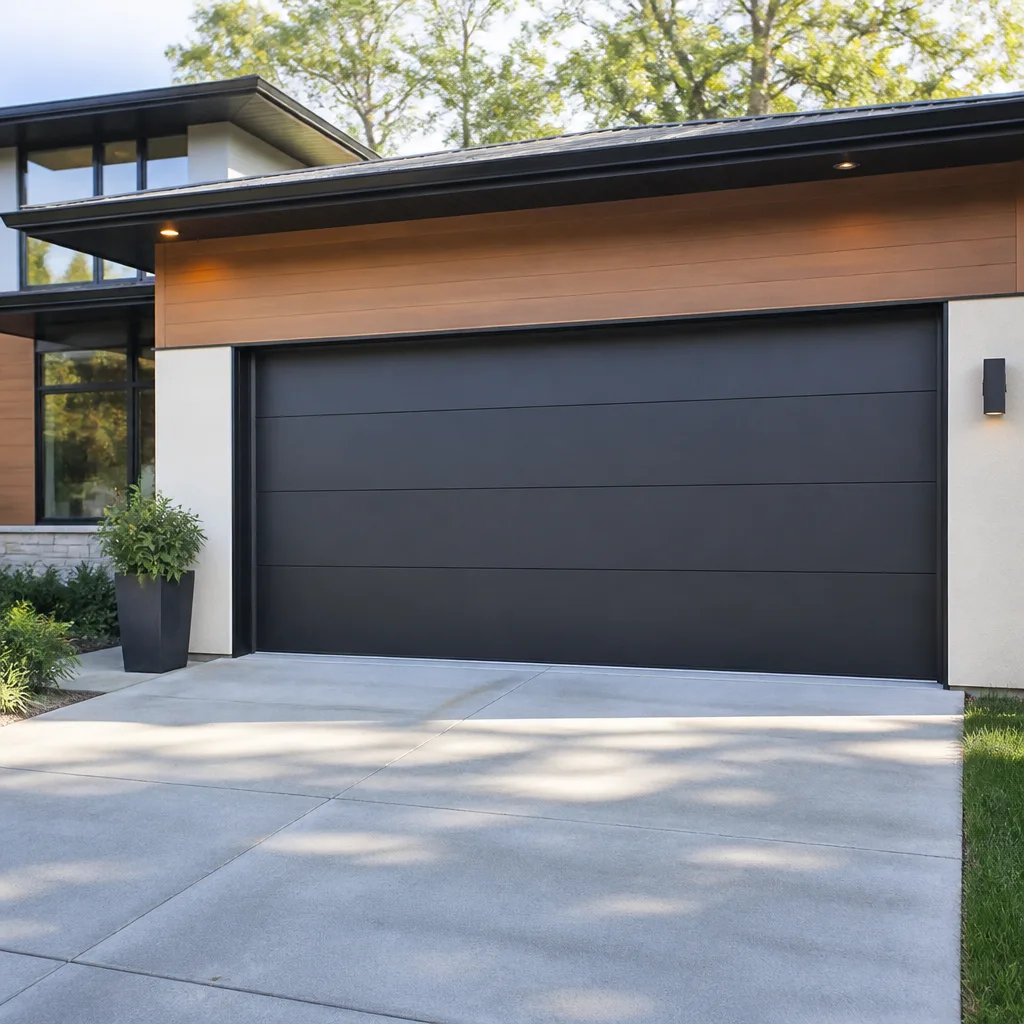 Modern flush
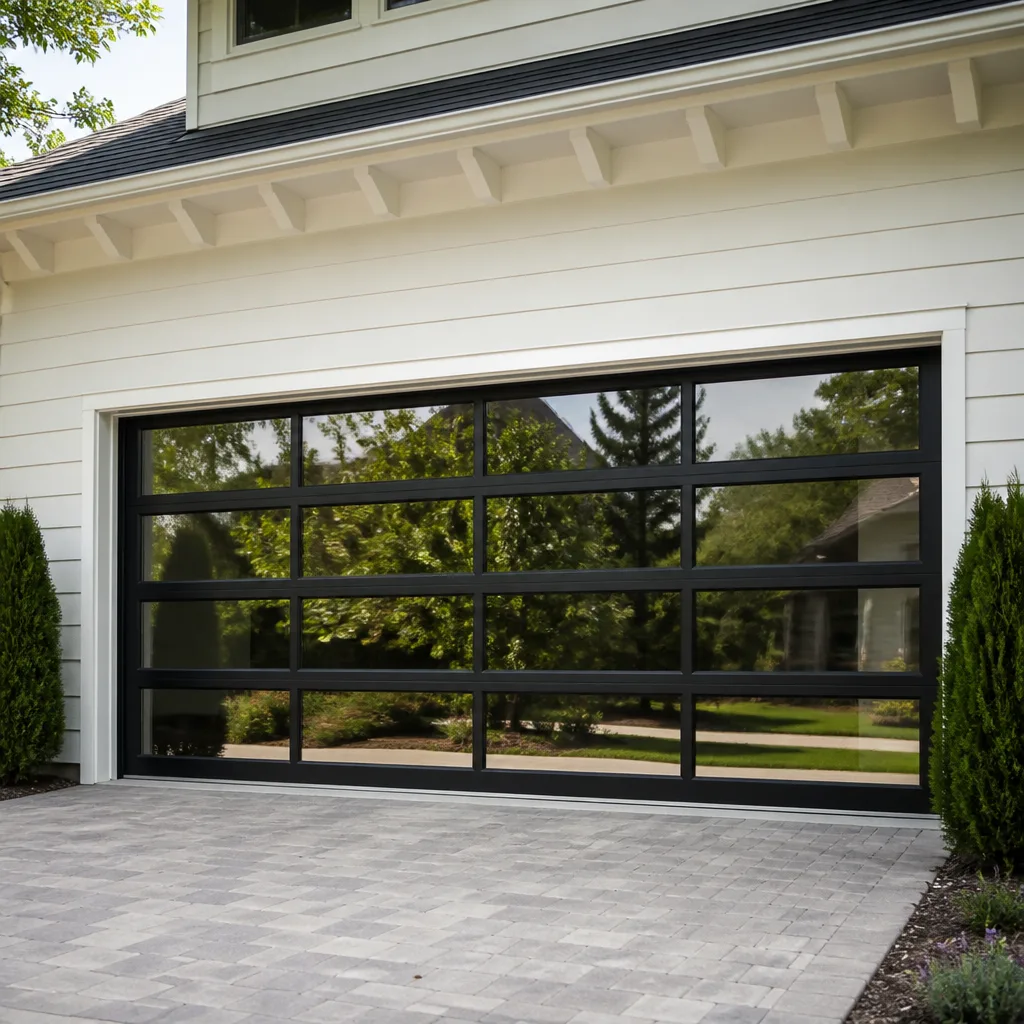 Full-view glass
 LiftMaster openers
 Chamberlain openers
Full 25-point door and opener safety check with every visit - springs, cables, rollers, tracks, and your LiftMaster or Chamberlain opener included
You get a price before we start. It does not change when the truck arrives.
Get your free estimateHow to Hire a Garage Door Contractor in Eastvale: A Step-by-Step Guide
Most homeowners in Eastvale will spend somewhere between $200 and $4,000 on a garage door repair or replacement, depending on whether a spring snaps or the entire system gets swapped. That’s real money. Yet the process most people use to pick a contractor amounts to typing “garage door repair near me” and calling whoever appears first. Here’s the part most people never learn: the garage door trade has one of the lowest barriers to entry in the home services world. A truck, a set of winding bars, and a free Google Business listing is enough for someone to start answering calls as a “garage door expert.” That’s not an exaggeration. California’s Contractors State License Board (CSLB) exists precisely because of this problem, and a 60-second license lookup eliminates roughly 30% of the “garage door companies” operating in the Eastvale area. Most homeowners never bother to run it. This guide gives you a repeatable, step-by-step screening process for hiring a garage door contractor in Eastvale, California, so the person who shows up at your house is qualified to touch a 400-pound door balanced on high-tension springs.
Quick Answer
To hire a garage door contractor in Eastvale, verify their California contractor’s license through the CSLB website first, confirming the classification covers garage door work. Then require a written estimate specifying parts by brand and model, check that they carry liability insurance and know HOA requirements for your specific Eastvale community, and confirm warranty terms in writing before any work starts.
Styles & brands we work with
- Raised-panel steel
- Carriage house
- Modern flush
- Full-view glass
- LiftMaster openers
- Chamberlain openers
Table of Contents
- Step 1: Verify the CSLB License Before You Do Anything Else
- Step 2: Know the Difference Between a Garage Door Specialist and a Handyman
- Step 3: Require a Written Estimate That Specifies Parts, Labor, and Warranty
- Step 4: Recognize Red Flags in Garage Door Sales Tactics
- Step 5: Check Eastvale HOA Compliance Before Signing
- Step 6: Ask the Right Questions During the Estimate Visit
- Step 7: Confirm Insurance and Understand Warranty Terms
- Step 8: Compare Quotes Like Someone Who Knows What They’re Looking At
Step 1: Verify the CSLB License Before You Do Anything Else
California law requires any contractor performing work valued at $500 or more in labor and materials to hold an active contractor’s license issued by the Contractors State License Board. A broken torsion spring replacement in Eastvale typically runs $180 to $340, which is under that threshold, but most jobs involving full door replacement or opener installation will exceed it comfortably. Here’s the practical problem: unlicensed operators know the $500 threshold and will often structure quotes to stay under it, then “discover” additional work once they arrive. The license check stops this before it starts.
Running a CSLB license lookup takes about one minute. Go to the CSLB website, click “Check a License,” and enter either the company name or the license number if you have it. Here’s what the results actually tell you:
- License status – “Active” is what you want. “Expired,” “Suspended,” or “Revoked” means the contractor cannot legally work in California.
- Classification – Garage door contractors fall under C-61/D-28 (Door and Gate Services) classification. Some hold additional classifications like C-17 (Glazing) or B (General Building). If the classification doesn’t include D-28 or the contractor can’t explain why their license covers the work, walk away.
- Workers’ compensation insurance – If the contractor has employees, they must carry workers’ comp. A license lookup showing no workers’ comp means either they have no employees (a sole proprietor) or they’re violating state law. Ask which it is.
- Bond status – All licensed contractors must maintain a $25,000 contractor’s bond. The lookup shows whether it’s active.
- Complaints and legal actions – The CSLB records license actions, accusations, and arbitration results. It won’t show every unhappy customer, but it shows formal actions taken by the board.
In Eastvale, which incorporated in 2010, construction and home improvement enforcement falls under Riverside County jurisdiction, and the CSLB actively investigates unlicensed contracting complaints throughout the Inland Empire. We’ve seen situations where a homeowner hired someone from a neighborhood Facebook group, paid a deposit, and then discovered there was no license, no bond, and no legal recourse beyond small claims court. The license check costs nothing and takes less time than ordering coffee.
For broader context on what a licensed repair actually involves, see our Garage Door Repair in Eastvale page.
Step 2: Know the Difference Between a Garage Door Specialist and a Handyman
A handyman with a garage door “side service” and a dedicated garage door contractor are not the same thing. Both can legally fix a squeaky hinge. The difference shows up when a torsion spring breaks, a cable snaps, or a LiftMaster opener’s logic board fails. The garage door industry is specialized for a reason: a residential garage door weighs between 150 and 400 pounds, and the counterbalance system holds enough tension to cause serious injury if mishandled. This is not a place to save $50 on labor.
Here’s what separates a specialist from a generalist:
- Parts inventory – A garage door contractor carries common parts on the truck: springs, rollers, cables, sensors, hinges, and brand-specific opener components. A handyman typically has to make a hardware store run, which means two visits and two service fees.
- Brand fluency – A specialist knows the mechanical differences between a Chamberlain belt-drive opener and a Genie screw-drive, or between Amarr and Clopay door line specifications. A handyman knows “openers open and doors close.”
- Warranty backing – When a manufacturer warranty requires installation by a licensed contractor, a handyman’s work may void it. The fine print on most door and opener manufacturer warranties specifies licensed installation.
- Diagnostic depth – The average garage door system has multiple interacting failure points. A door that won’t open could be a broken spring, a stripped gear, a bent track, a bad logic board, or a misaligned safety sensor. Specialists diagnose the root cause. Generalists often guess.
- Code compliance – Garage door contractors know when a permit is required in Eastvale and how to handle the paperwork. Handymen frequently skip this entirely.
The warranty issue matters more than most people realize. If you have a Clopay, Amarr, Wayne Dalton, or Craftsman door still under manufacturer warranty, the warranty terms typically require a licensed contractor to perform repairs using manufacturer-approved parts. An unlicensed or unqualified person touching the system can void what might be hundreds of dollars in covered components.
Step 3: Require a Written Estimate That Specifies Parts, Labor, and Warranty
A legitimate garage door contractor in Eastvale will provide a written estimate before beginning work. A contractor who refuses to write things down, or who says “we’ll figure it out as we go,” is not someone you want touching your door. The estimate serves as the legal document that protects you from surprise charges and gives you recourse if the work doesn’t match the agreement.
Here’s what a proper written estimate must include:
- Detailed scope of work – Not “repair door.” It should say “replace one pair of torsion springs, balance door, lube rollers and hinges, test opener force settings.”
- Parts with brand and model – Not “standard spring.” It should say “Clopay 25-gauge commercial-grade torsion springs, 2-inch ID, 24-inch length” or “Genie 3024 circuit board.”
- Labor cost broken out from parts – You should see what you’re paying for the part and what you’re paying for the installation. If a contractor won’t break it out, they’re hiding margin.
- Haul-away and disposal – If replacing a door, who removes the old one? Is disposal included or a separate line item? The old door weighs 150-300 pounds and isn’t something you want sitting in your driveway.
- Warranty terms in writing – What’s covered, for how long, and what voids it. A verbal “we’ll take care of you” is worth nothing.
- Payment schedule – For large jobs, a reasonable structure is a deposit (often 30-50%) with the balance due upon completion. Anyone asking for full payment upfront is a red flag.
- Timeline – For repairs, same-day or next-day is common. For installation, the estimate should specify lead time for ordering the door and the installation window.
The price quoted and agreed upon is the price you should pay. Before any work starts, confirm with the contractor that the written estimate represents the full cost unless you approve additional work in writing. A reputable contractor won’t start finding “extras” once the door is apart. If the technician does find additional damage during the job, they should show you the issue, explain it, and get your approval before proceeding.
If you’re starting to think about a full replacement rather than a repair, our Garage Door Installation in Eastvale page walks through what the process looks like.
Step 4: Recognize Red Flags in Garage Door Sales Tactics
The garage door trade has developed its own set of shady practices over the years, and Eastvale homeowners are not immune. In fact, rapid-growth areas like Eastvale, where new homes continue to rise and existing homes age into their first major systems replacement, are prime targets for operators running these plays. Here are the most common ones:
- The vague “tune-up” package – A contractor offers a $49 or $79 tune-up, then “discovers” hundreds of dollars in urgent repairs. A legitimate tune-up checks specific things: spring tension, cable condition, roller wear, hinge tightness, sensor alignment, and opener force settings. Ask exactly what the tune-up includes before booking. If they can’t tell you, it’s a bait entry.
- Bait-and-switch spring pricing – You’re quoted $99 for spring replacement, then the technician arrives and says your door needs “heavy-duty” springs at $400. Sometimes this is legitimate (a double-carriage door does need different springs than a single), but a contractor should quote spring replacement based on door size, weight, and cycle rating before arriving. The quote shouldn’t change once they see the door if you described it accurately.
- Same-day pressure closes – A broken spring isn’t like a flooded basement. It’s inconvenient, but it’s not going to cause more damage by waiting a day or two. Any contractor who says “if you don’t sign today, the price goes up tomorrow” or “I can only hold this price while I’m here” is applying pressure, not providing service. Legitimate contractors quote a price that stands through the estimate’s validity period.
- Cash-only or “discount for cash” deals – Licensed contractors in Eastvale accept cards, checks, and financing options. Cash-only pricing suggests an unlicensed operator avoiding a paper trail. The money you “save” disappears the moment something goes wrong and you have no receipt, no license number, and no recourse.
- No physical address on the estimate – A legitimate contractor has a business address, even if it’s a home office. A Google-verified business with no physical presence in Riverside County is often a lead-generation front that will subcontract your job to whoever picks up the phone.
- Unlabeled trucks and unlisted phone numbers – This sounds obvious, but it’s worth stating: an unmarked truck with a personal cell phone number listed as the business line is the profile of one person working out of their garage. That person might be perfectly competent. They might also disappear the moment a spring they installed fails six months later.
We work on the brand you already have, which means our recommendations are driven by what’s actually wrong with your system, not by what we’re incentivized to sell – see our tips on choosing the right garage door brand in Eastvale for more on this. That’s the standard you should hold any contractor to: a specific diagnosis with specific parts, at a specific price, on paper.
Step 5: Check Eastvale HOA Compliance Before Signing
Eastvale has one of the highest concentrations of HOA-governed communities in Riverside County. Neighborhoods like Eastvale Estates, Sendero, The Enclave, River Ridge, and numerous others are governed by CC&Rs (Covenants, Conditions, and Restrictions) that contain specific rules about garage door appearance. This is not a technicality. Some Eastvale HOAs require:
- Specific door colors from an approved palette
- Approved garage door styles (carriage house, flush panel, etc.)
- Prohibition on visible window patterns in garage doors
- Restrictions on custom doors or non-standard designs
- Approval from the HOA architectural committee before any door replacement
Here’s what this means for you practically: before you replace a garage door in Eastvale, pull your CC&Rs or contact your HOA management company to confirm whether garage door replacement requires architectural approval. Some HOAs require submission of the replacement door’s spec sheet before work begins. A contractor who knows the Eastvale market will ask which community you live in and proactively flag this requirement. A contractor who has never worked in Eastvale won’t know to ask, and you’ll be the one dealing with an HOA violation notice and a door you can’t legally keep.
Ask the contractor directly: “Have you completed work in my specific Eastvale community, and do you know the HOA requirements for garage door replacement?” If the answer is a blank stare or a vague “we work everywhere,” that’s a signal. For more on how replacement projects are quoted and planned, see our Garage Door Installation in Eastvale page.
Step 6: Ask the Right Questions During the Estimate Visit
The estimate visit is your opportunity to evaluate the contractor in person. Most homeowners ask about price and timeline. Those matter, but they’re also the easiest questions to answer. The following questions are the ones that separate qualified professionals from operators winging it:
- “What’s your CSLB license number?” – A licensed contractor will know their number by heart and will have it printed on their estimate, truck, and business card. If they hesitate, that’s your answer.
- “What brands do you work on?” – Listen for specific brands, not “all of them.” A contractor who says they work on “all brands” usually means they’ll figure it out on your door. A contractor who says “we handle LiftMaster, Chamberlain, Genie, and the major door lines” is telling you they carry parts and know the systems.
- “Do you stock parts for my brand on the truck?” – If your opener is a Craftsman model from 2012 and the contractor says they’ll need to order parts, that’s not necessarily disqualifying. Legacy parts for older Craftsmans and Wayne Daltons are increasingly difficult to stock. But they should tell you this upfront, not after they’ve disassembled your door.
- “What’s the warranty on the parts and what’s the warranty on the labor?” – Parts warranties come from the manufacturer and typically run 1 year to lifetime depending on the component. Labor warranties are what the contractor provides, typically 90 days to 1 year. Both should be in writing.
- “Who’s doing the work – you or a subcontractor?” – In the garage door industry, subcontracted work is less common than in general contracting, but it happens. If a subcontractor is doing the work, you want their license information and insurance certificate too.
- “What’s the total cycle life on the springs you install?” – Torsion springs are rated in cycles (one cycle equals one open and one close). Standard springs run 10,000 cycles. High-cycle springs run 25,000 to 50,000 or more. A contractor who can answer this question understands the engineering. One who looks confused doesn’t.
- “Will you show me how to maintain this after you’re done?” – A contractor confident in their work will explain what they did, what to watch for in the future, and how to stay ahead of problems. One who bolts out the door as soon as payment clears is signaling something.
Step 7: Confirm Insurance and Understand Warranty Terms
California requires licensed contractors to carry a $25,000 surety bond. That bond protects against certain types of claims if the contractor fails to complete work or violates state law, but it has limits. $25,000 doesn’t cover much in a worst-case scenario involving a large installation. This is why liability insurance matters.
Ask for a current certificate of insurance naming you as an additional insured for the duration of the project. The certificate should show:
- General liability coverage – Protects against property damage the contractor causes. If a technician drops a door on your car or damages your wall, this coverage pays.
- Coverage limits – $500,000 is the minimum you want to see. $1 million is better and increasingly common among established contractors.
- Certificate validity dates – The certificate should be current, not expired. Insurance is an annual renewal, and a lapse happens more often than you’d think.
Warranty terms are equally important and equally misunderstood. Here are the tiers:
- Manufacturer parts warranty – What the brand covers. For example, a LiftMaster opener might carry a lifetime motor warranty but only 1 year on the logic board. Door manufacturers like Clopay, Amarr, and Wayne Dalton offer different warranty structures depending on the line. This warranty is valid only if installation was performed properly and by a qualified party.
- Contractor labor warranty – What the installing company covers. This is where the real differences show. Some contractors provide 90 days of labor coverage. Established companies typically offer 1 year. The labor warranty is the thing that saves you from paying service fees if a part the contractor installed fails early.
- Warranty exclusions – What’s not covered. Adjustments after the first visit, damage from misuse, weather-related failures, and parts you provided yourself are common exclusions. Read the fine print on the estimate.
One more note on insurance and licensing: a legitimate contractor will be happy to provide all of this documentation. They’ve done it a hundred times. Defensiveness or stalling when you ask for a license number or insurance certificate is the single strongest indicator that something is off.
Step 8: Compare Quotes Like Someone Who Knows What They’re Looking At
After you’ve verified licenses, checked insurance, asked the right questions, and reviewed written estimates, you’ll likely have two or three contractors in the running. Now comes the comparison. The mistake most homeowners make is sorting by price. Here’s a better framework:
- Compare scope first, not price – Two quotes for “spring replacement” might not be for the same thing. One might include balancing, roller replacement, and opener force adjustment. The other might be springs only. Make sure the scope of work is identical before comparing dollars.
- Check the parts spec – A $180 spring quote using contractor-grade 10,000-cycle springs and a $320 quote using high-cycle 30,000-cycle springs are not the same product. The higher price might actually be the better value if you plan to stay in the home for more than a few years.
- Weight the warranty – A $50 price difference that buys you an additional 9 months of labor warranty is usually money well spent. Labor costs are the variable most homeowners forget about.
- Consider response time for callbacks – If a contractor’s labor warranty carries a “we’ll be there within 48 hours” callback promise, that’s worth something. If the cheap contractor avoids your calls after the check clears, the warranty is theoretical.
- Trust the diagnostic specific notes – The contractor who wrote specific diagnostic notes on the estimate (“spring shows 2-inch sag from spec, cycling test shows 41-second open time from full closed, sensor beam misaligned 3 degrees”) is paying more attention than the one who wrote “door needs work.”
Repair or replace, we’ll tell you which one actually makes sense. That’s the principle to bring to your own evaluation. If a contractor’s only argument is “we’re cheaper,” but their estimate is vague, their warranty is thin, and their diagnostic skills seem limited, the savings will evaporate sooner or later. One call covers the door and the opener when you work with a full-spectrum company, which means you get one diagnosis, one estimate, and one point of accountability. For more on what we cover, see our Garage Door Service Eastvale home page.
Common Mistakes to Avoid
- Hiring the first company that answers the phone – When your spring breaks at 7 a.m., the instinct to call the first number you see is understandable. But the companies that invest in Google Ads and SEO are not automatically the most qualified. Run the license check before you book. It takes longer to find your car keys.
- Choosing based on price alone – The cheapest quote in Eastvale is often from the operator with no insurance, no warranty, and no intention of answering your callback in three months. The most expensive quote isn’t automatically the best either, but a quote that’s 40% below the market is a warning sign, not a deal.
- Paying the full amount upfront – A deposit on a custom-ordered door is legitimate. Full payment before work begins is not. Legitimate contractors have cash flow and credit lines. They don’t need your money to buy parts.
- Not getting the HOA approval before replacing the door – Eastvale HOAs are organized and responsive to violations. If you install a door that doesn’t meet your community’s CC&Rs, you could face fines, a formal violation notice, and an order to replace the door you just bought. The contractor isn’t going to pay for that mistake.
- Ignoring the safety sensor system on old openers – If your opener lacks functioning safety sensors (the two photo eyes near the floor), the system is dangerous and technically outside code. A contractor who offers to “bypass” broken sensors is not doing you a favor. They’re creating liability on your property.
- Skipping the written estimate because the job is “small” – Even a $200 spring replacement deserves a written estimate. It protects both you and the contractor, and it creates the paper trail you’ll want if the spring fails early or the work causes secondary damage.
- Not asking about the cycle rating on replacement springs – Eastvale heat causes garage spaces to hit high temperatures in summer, which accelerates rubber and lubricant breakdown. Cheap springs with low cycle ratings will fail fast in this environment. High-cycle springs cost more upfront but outlast budget springs significantly.
See the difference
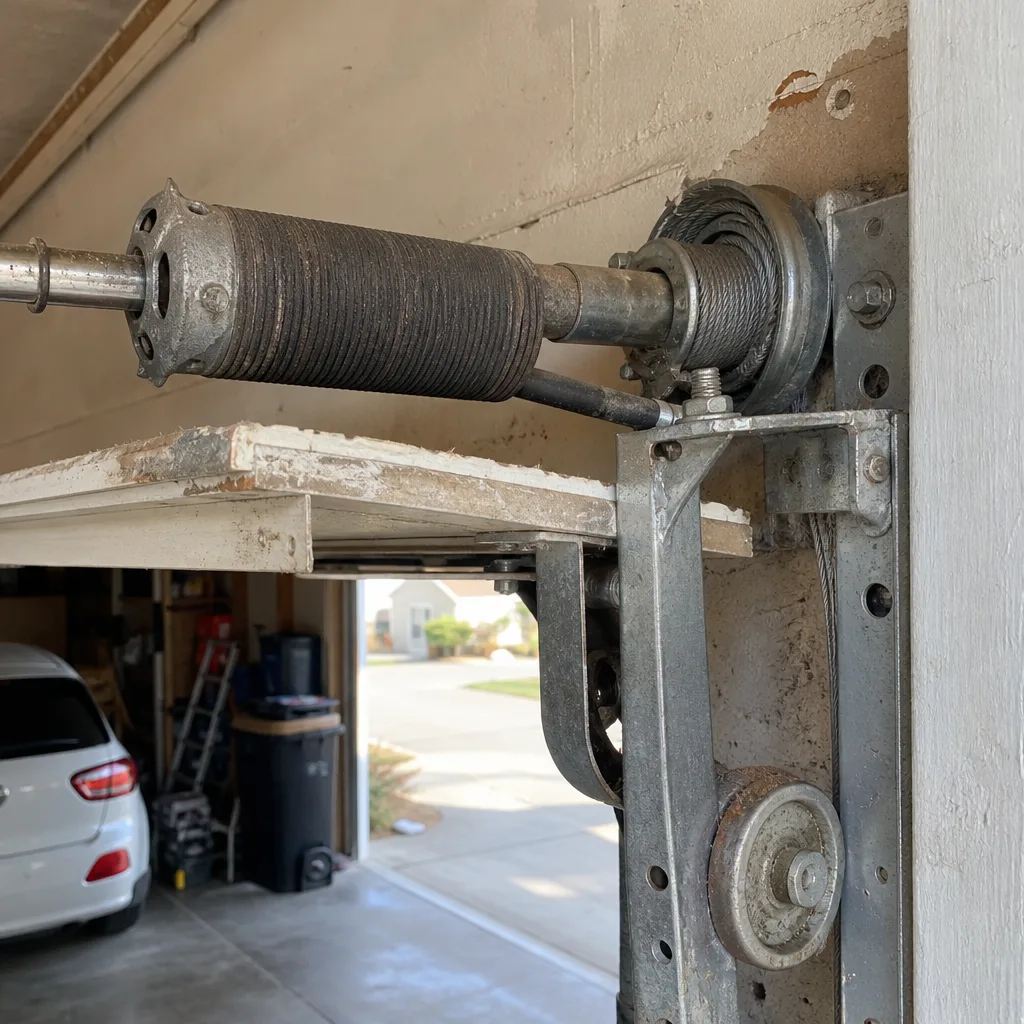 Before
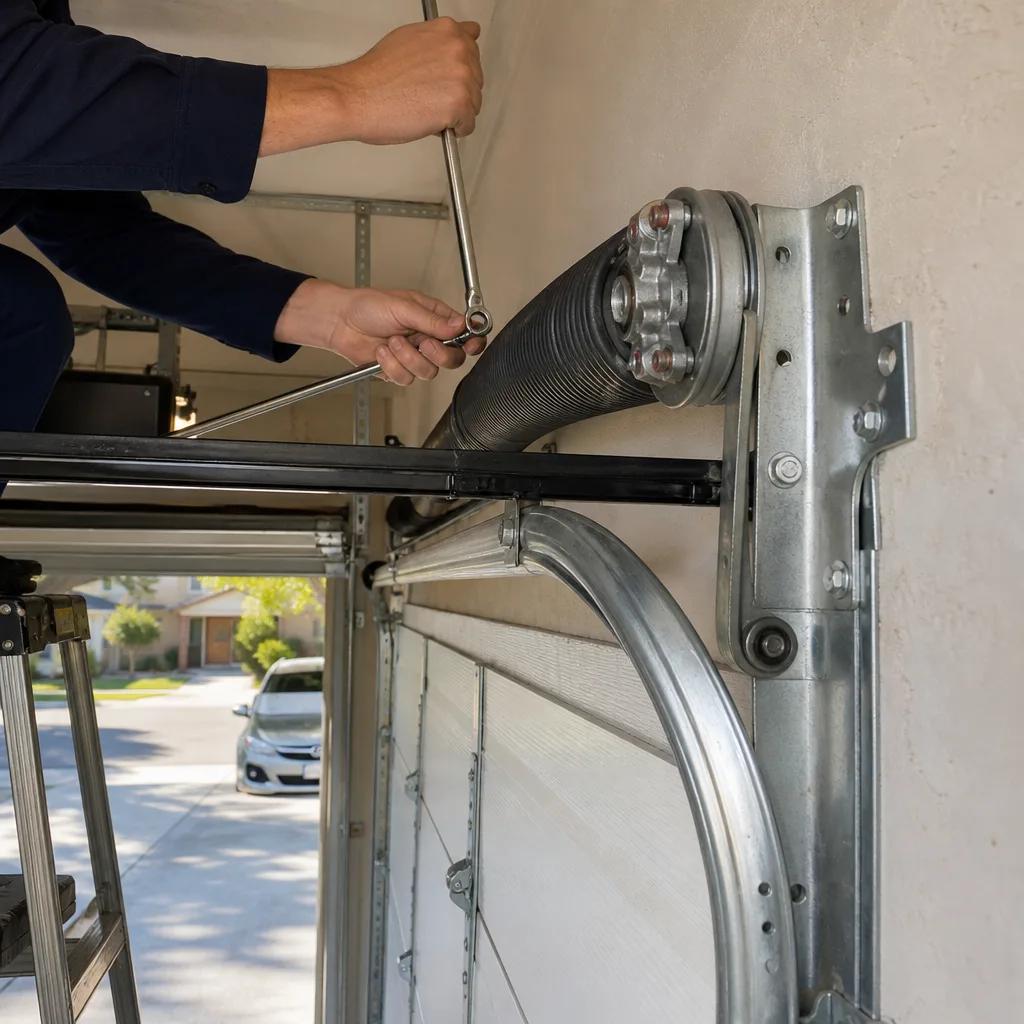 After
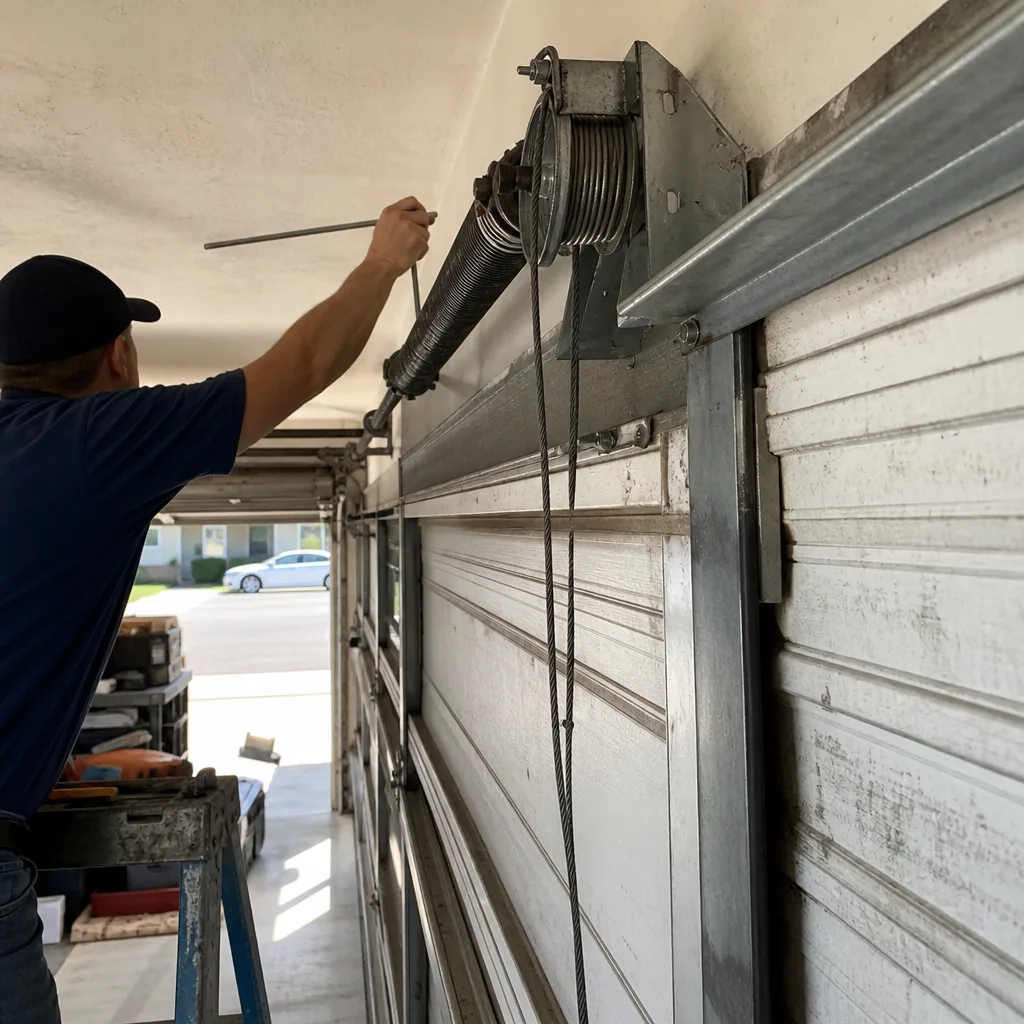 Before
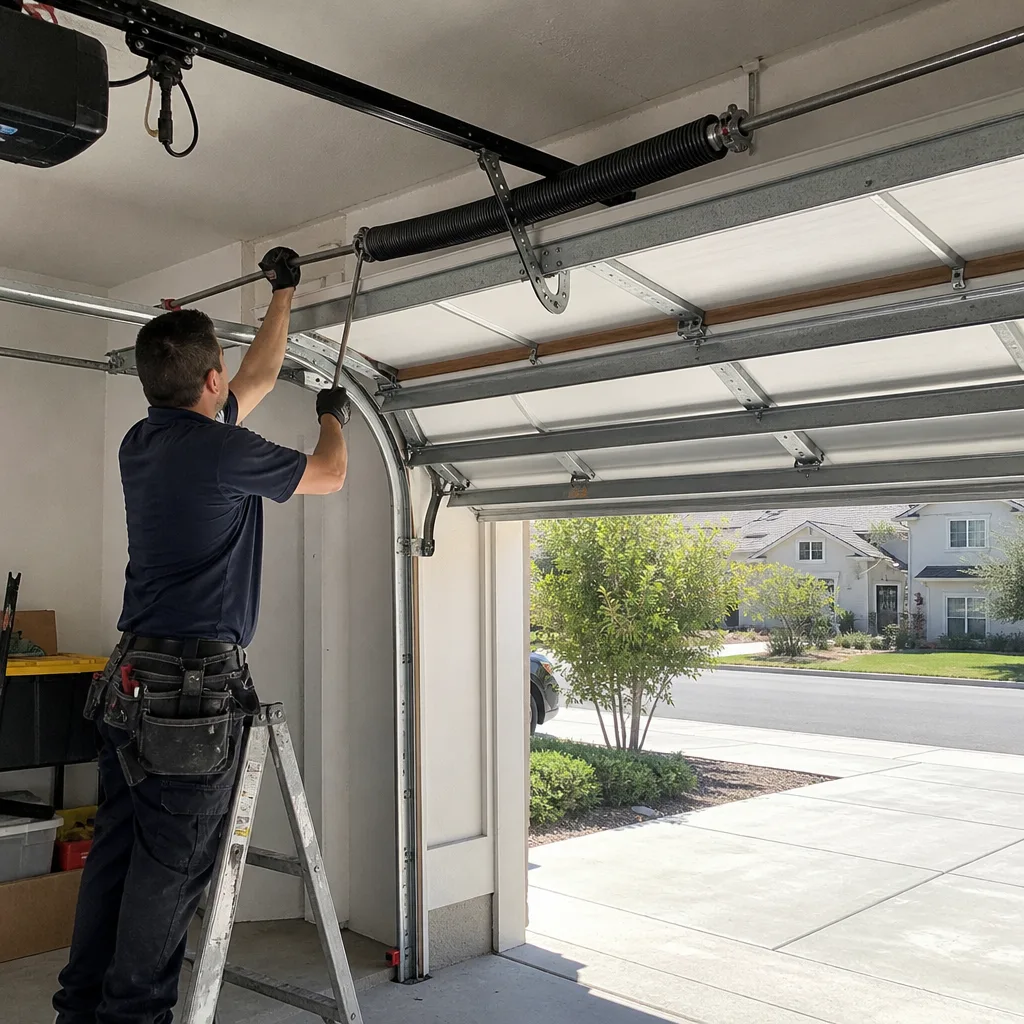 After
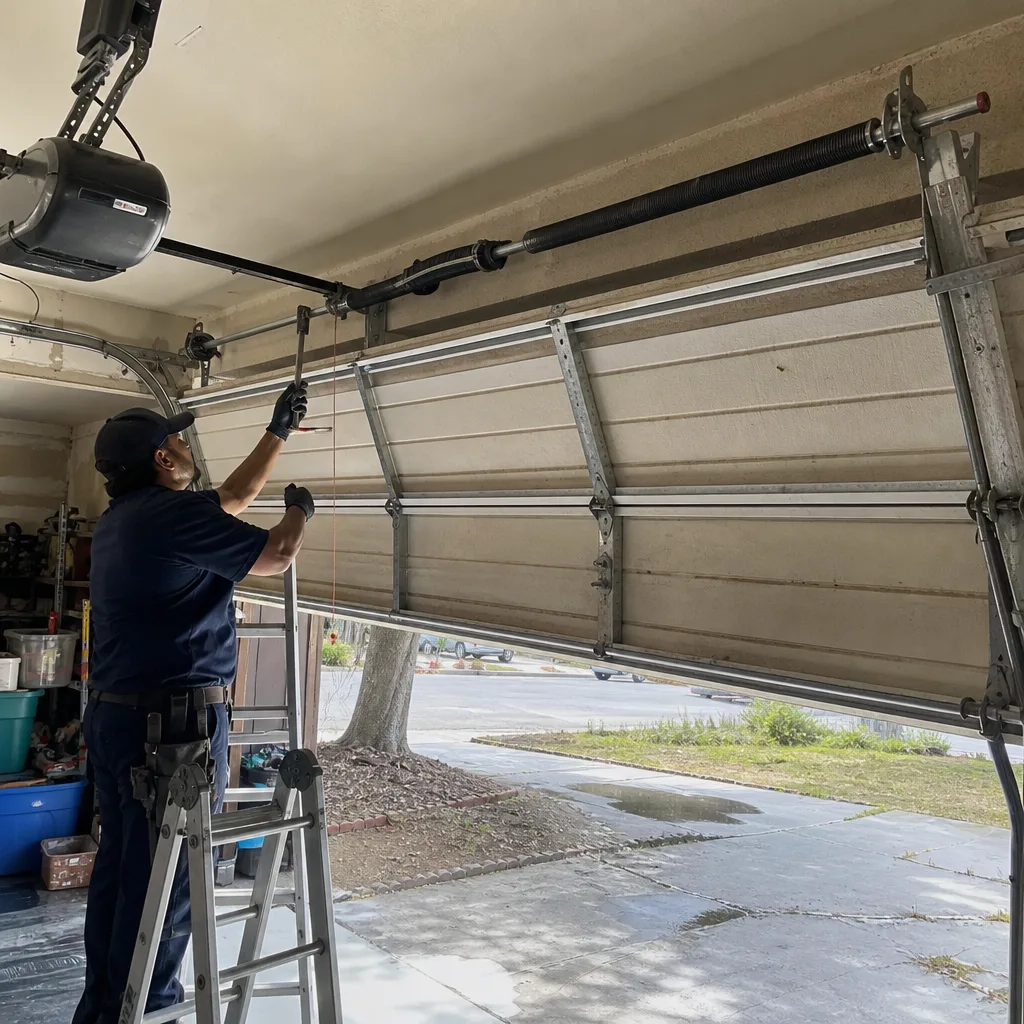 Before
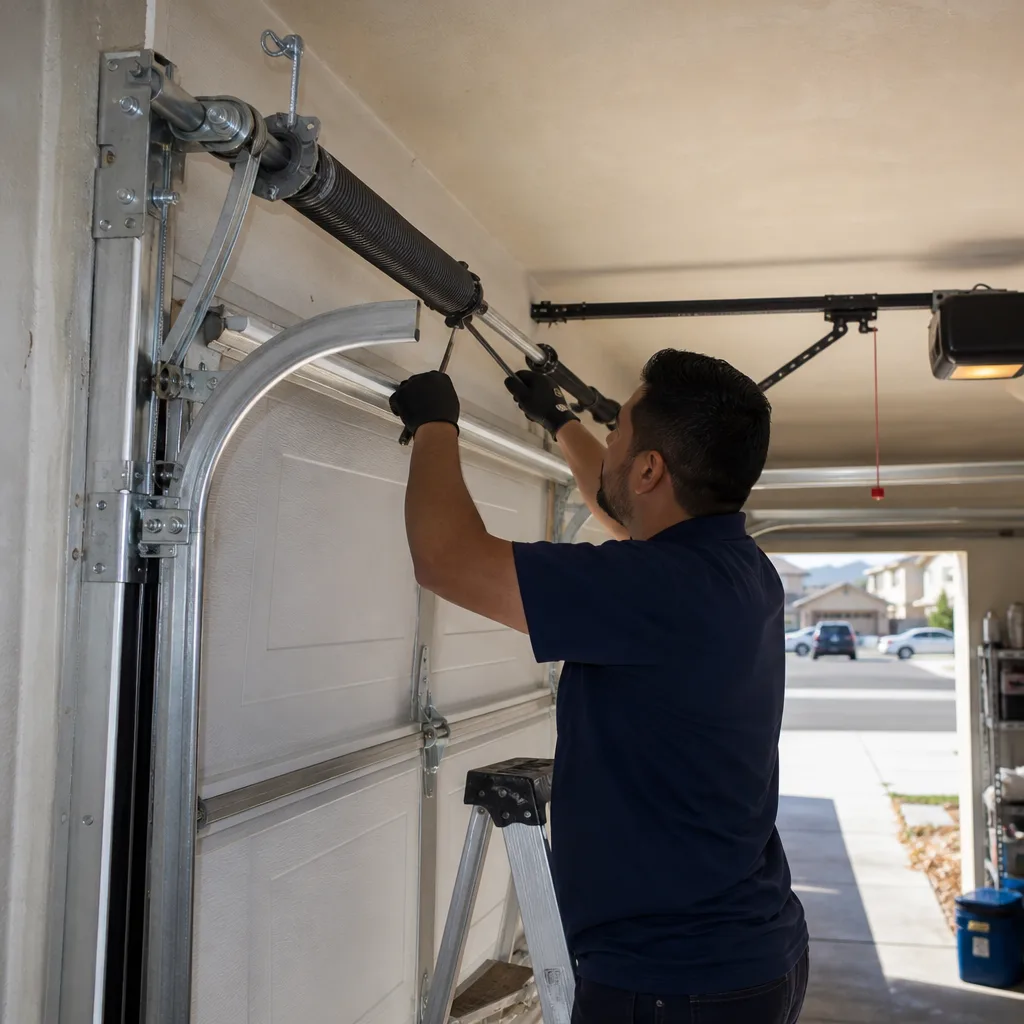 After
When to Call a Professional
The honest answer is that most garage door work in Eastvale is professional work. A torsion spring replacement involves releasing and reapplying several hundred pounds of counterbalance tension. A cable that slips while the spring is under tension can whip and cause serious injury. Track adjustments require the door to be properly supported while rails are moved. Opener logic board and gear replacements require disassembly of a motorized unit with gear train components that have tight tolerances. Garage Door Service Eastvale offers free estimates in Eastvale, and the diagnostic visit costs you nothing. If your door is making a new noise, opening unevenly, reversing unexpectedly, or failing to respond to the opener consistently, call us at (833) 593-6405 before the small problem becomes an emergency.
For opener-specific issues, including noisy belts, failing remotes, and smart-home integration problems, see our Garage Door Opener Repair in Eastvale page.
Frequently Asked Questions
Garage door repair in Eastvale typically runs $150 to $600 depending on the component. Spring replacement runs $180 to $340 for a standard single-door system, cable replacement $150 to $250, roller replacement $120 to $200, and opener logic board replacement $200 to $400 including labor. Full door replacement ranges from $1,200 to $4,000 or more depending on door size, material, insulation, and brand. Call (833) 593-6405 for an exact quote on your specific system.
Replace the door if the panels show significant warping, the door is over 20 years old, or you’re facing repeated component failures that are accumulating into a maintenance burden. Repair is the right call if the issue is isolated, the door is structurally sound, and the opener is functioning correctly. Eastvale’s summer heat damages old doors faster than homeowners expect, so if your door is absorbing heat to the point where panels feel soft in August, replacement is approaching. For maintenance tips, see our seasonal garage door care guide for Eastvale.
We service LiftMaster, Chamberlain, Genie, Clopay, Amarr, Wayne Dalton, Craftsman, and Raynor systems. These eight brands cover the vast majority of residential garage doors and openers installed in Eastvale homes. Your Craftsman opener from 2010 or your new Chamberlain myQ system, we already know the system architecture, common failure points, and correct parts specifications.
Same-day service for broken springs and other urgent repairs is available in Eastvale when you call before mid-afternoon. We carry torsion and extension springs for the common door sizes and weights in the Eastvale market on our trucks, which means the fix usually happens on the first visit. Call (833) 593-6405 to check current availability.
The price we quote over the phone is based on the information you provide, and the written estimate we provide after inspecting the door is the price you’ll pay. If we find additional issues during the job, we’ll show you the problem, explain the options, and get your written approval before doing any additional work. You’ll never get a surprise invoice behind a door that’s already fixed.
Many Eastvale communities require architectural committee approval before garage door replacement. Communities like Eastvale Estates, Sendero, and The Enclave typically require submission of the replacement door’s specification sheet before installation. We can help you identify your community’s requirements and provide the spec documentation the HOA will request. Check your CC&Rs or call your HOA management company to confirm your specific requirements.
The Bottom Line
Hiring a garage door contractor in Eastvale comes down to verification, documentation, and questioning. Verify the license through CSLB before anything else. Require a written estimate that specifies parts by brand and model, not vague “repair door” language. Ask about brand experience, warranty terms, and HOA compliance specific to your community. Walk away from anyone who won’t provide documentation or who pressures you to make a same-day decision. The difference between a licensed specialist and an unlicensed operator can be $200 on the quote and $2,000 in follow-up problems. For more guides & resources, visit our blog. Eastvale homeowners who run the 60-second license check and insist on a written estimate avoid the worst outcomes every time.
Written by the team at Garage Door Service Eastvale, serving Eastvale since 2012.